
Sapa Travel Guide: Explore Vietnam’s Mountain Town in the Clouds
Content []
Sapa Travel Guide: Explore Vietnam’s Mountain Town in the Clouds
Sapa Travel Guide: Where Is Sapa and Why It Captivates Travelers
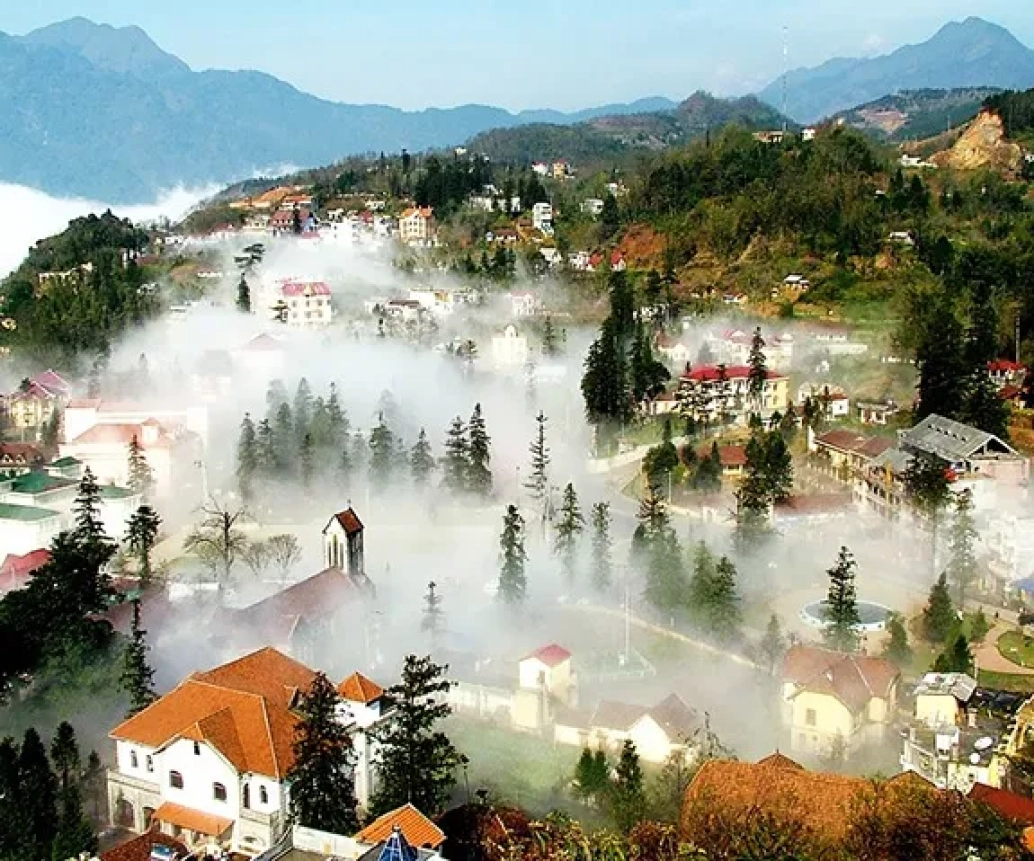
Nestled high in the mountains of northern Vietnam, Sapa is a charming mountain town located in Lao Cai Province, about 320 kilometers northwest of Hanoi and close to the Chinese border. Perched among misty peaks and deep valleys, this highland destination has long captivated travelers with its dramatic landscapes, cool climate, and vibrant cultural diversity.
Unlike the tropical heat of many Southeast Asian destinations, Sapa greets visitors with fresh mountain air and sweeping views of terraced hillsides that ripple across the valleys. The region is also home to several ethnic minorities, including the Hmong, Dao, Tay, and Giay communities, whose colorful traditions and distinctive lifestyles give the town a cultural richness rarely found elsewhere in Vietnam.
Reaching Sapa is easier than ever. Thanks to the modern expressway connecting Hanoi and Lao Cai Province, the journey now takes only about 5 to 6 hours by road. Travelers can choose from comfortable passenger buses or limousine buses departing daily from Hanoi. For those who prefer a more scenic route, overnight trains run from Hanoi to Lao Cai, followed by a short bus or taxi ride to Sapa town. Adventurous travelers can also self-drive via the Noi Bai – Lao Cai Expressway, enjoying spectacular mountain scenery along the way.
Whether arriving by road or rail, the journey itself feels like the beginning of an adventure. As the plains fade into rolling hills and the air turns cooler, travelers quickly understand why Sapa continues to enchant visitors from around the world.
.jpeg)
Sapa Travel Guide: Best Time to Visit Sapa
Perched high in the northern mountains, Sapa enjoys a refreshingly cool climate throughout the year, with an average temperature of around 15°C. Each season reveals a different face of this misty mountain town, from blooming valleys in spring to golden rice terraces in autumn. Because of this ever-changing scenery, there is never truly a bad time to visit Sapa Vietnam.
Spring (February – May) brings gentle warmth and vibrant colors to the mountains. Plum blossoms, peach flowers, and cherry blossoms bloom across the hillsides, transforming villages and valleys into a soft, dreamlike landscape.
Summer (June – August) is when Sapa’s famous rice terraces turn lush green. The layered fields cascade down the mountains like giant emerald steps, creating one of the most breathtaking natural landscapes in northern Vietnam. However, this period also marks the rainy season, so travelers should check the weather when planning outdoor activities.
Autumn (September – November) is widely considered the best time to visit Sapa. During harvest season, the rice terraces shift from green to glowing gold, painting the valleys with warm colors and attracting photographers and nature lovers from around the world.
Winter (December – January) offers a completely different atmosphere. Mist drifts through the mountains, temperatures drop, and on rare occasions snow even appears on peaks such as Fansipan. The foggy landscapes give Sapa a quiet, mysterious beauty unlike anywhere else in Vietnam.
Sapa Travel Guide: Things to Do in Sapa
Conquer Fansipan – The Roof of Indochina
Rising to 3,147 meters above sea level, Fansipan proudly holds the title “The Roof of Indochina,” standing as the highest peak in Vietnam, Laos, and Cambodia. For many travelers exploring Sapa Vietnam, reaching this summit is one of the most unforgettable experiences.
Adventure seekers can choose to trek through Hoang Lien Son National Park, a journey that typically takes two to three days. The trail winds through dense forests, bamboo groves, and mist-covered ridges, offering an immersive encounter with the wild beauty of northern Vietnam’s mountains.
For a faster yet equally spectacular route, visitors can ride the cable car from Sun World Fansipan Legend, which carries passengers from the valley to near the summit in just about 20 minutes. The ride glides above rolling valleys and layered rice terraces, revealing sweeping views that feel almost suspended between clouds and mountains.
.jpeg)
But reaching the top of Fansipan is more than simply conquering a peak. For many Vietnamese travelers, it also carries spiritual meaning. The temples and cultural structures near the summit transform the mountain into a place of reflection and gratitude, where visitors symbolically pay respect to ancestors and celebrate personal achievements after standing atop the highest point in Indochina.
Visit Ethnic Minority Villages and Explore Local Markets and Culture
One of the most meaningful experiences in any Sapa travel guide is discovering the vibrant cultures of the region’s ethnic minorities. Sapa is home to several communities, including the Hmong, Dao, Tay, Giay, and Xa Pho. Each group preserves its own language, traditional clothing, and customs, creating a rich cultural mosaic in this mountain town.
Travelers can visit nearby villages to experience everyday life in the highlands. Staying in local homestays allows visitors to learn traditional cooking methods, try weaving colorful brocade textiles, sew ethnic garments, enjoy herbal baths prepared with forest plants, and even observe spiritual practices rooted in nature. These immersive activities reveal the deep relationship between local communities and the surrounding mountains, reflecting sustainable lifestyles and philosophies of harmony with nature.
Local markets are another cultural highlight. Weekly mountain markets bring together villagers from surrounding valleys to trade goods, socialize, and celebrate community life. Stalls overflow with handwoven fabrics, medicinal herbs, fresh produce, and traditional dishes, offering travelers a glimpse into the rhythms of everyday life in the northern highlands.
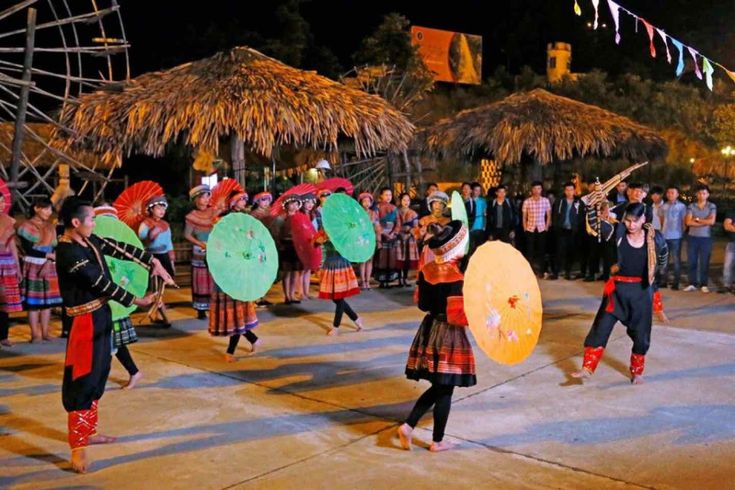
A particularly fascinating tradition is the Sapa Love Market, held in the square in front of the historic Sapa Stone Church. Historically, this gathering allowed young men and women from ethnic minority communities to meet and court one another through folk songs, flute melodies, and traditional dances. Today, the tradition is recreated every Saturday evening from 6:00 PM to 10:00 PM, transforming the town center into a lively cultural stage.
Visitors attending the Love Market can watch courtship performances, listen to traditional music, and see locals dressed in their most beautiful traditional attire. Beyond its festive atmosphere, the event offers a deeper understanding of family values, romance, and community traditions that continue to shape life in the mountains of Sapa.
Trek Through Sapa’s Iconic Terraced Rice Fields
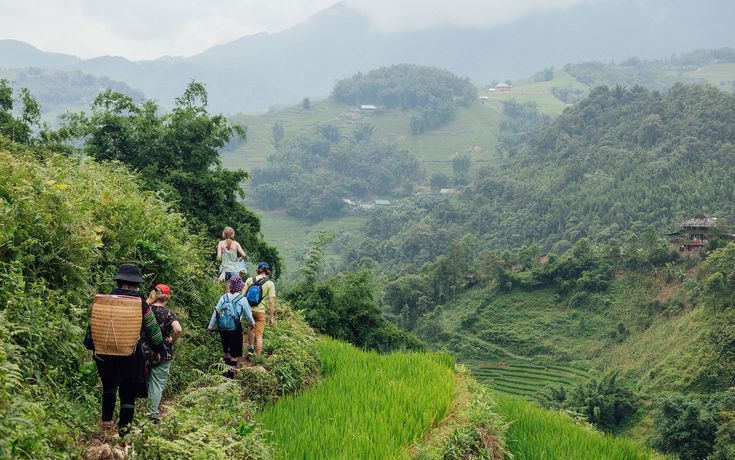
No Sapa travel guide would be complete without trekking through the region’s breathtaking rice terraces, one of the most iconic landscapes in northern Vietnam. Carved into the mountains over generations, these cascading fields reflect both the ingenuity of local farmers and the deep connection between people and nature in this remarkable mountain town.
A classic trekking route links three well-known villages: Cat Cat Village, Ta Van Village, and Giang Ta Chai Village. Along this journey, travelers can experience the cultural diversity of different ethnic minorities while walking through some of the most picturesque valleys in Sapa.
The trek often begins at Cat Cat, where narrow stone paths lead past traditional wooden houses and lively handicraft stalls. From there, the trail winds toward Ta Van, where wide valleys unfold into peaceful terraces that change color with the seasons. The final stretch toward Giang Ta Chai takes visitors through bamboo forests and past small waterfalls, offering moments of quiet beauty that feel far removed from the bustle of town life.
More than just a scenic hike, trekking through these terraced rice fields offers a deeper appreciation of the centuries-old farming traditions that continue to shape the landscapes and cultures of Sapa Vietnam.
Sapa is more than just a beautiful mountain town in northern Vietnam. It is a place where mist drifts across ancient rice terraces, where the cultures of diverse ethnic minorities continue to thrive, and where every path leads to a new discovery. From conquering Fansipan to trekking through valleys and exploring vibrant local markets, Sapa offers experiences that blend nature, culture, and adventure in a way few destinations can match.
Whether you are searching for breathtaking natural landscapes, meaningful cultural encounters, or simply a peaceful escape in the mountains, this Sapa travel guide shows why Sapa remains one of the most captivating places in Vietnam. If you’re planning your journey, ACT Travel Agent can help design a seamless itinerary so you can experience the very best of Sapa and beyond. Let your adventure begin where the mountains meet the clouds.
Read this next


Dong Van Stone Plateau recognised as world geopark
Quick Contact
Reviews from Customers
Please take a look at the following reviews from our customers
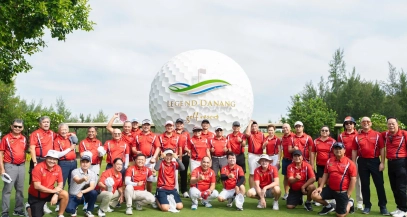
Mr Clarence- Travel President, Philippines
Vietnam | 01/14/2026
Luxury Golf Tour in Da Nang, 5days
Hi Jimy, We returned home safely today. I would like to say a special thanks to you and your team ACT TRAVEL. We really loved and satisfied with your pro services. We do love these golf courses in Da Nang. They were amazing and fantastic quality and view. We will come back here soon. I am looking foward to working together with you soon! Best regards, Mr Clarence- Travel President, Philippines
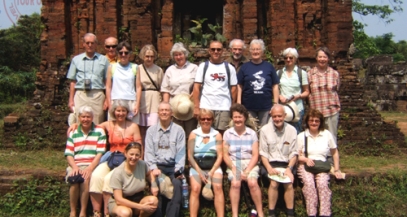
Mr. Jean Pie
United Kingdom | 10/13/2014
RAM Holidays from UK (Impressive of Vietnam 15 days)
Mr. Jean Pie – Tour Leader said “Thank you very much for doing such an excellent job on the tour. You went above and beyond for all of us and we really appreciate all your hard work. Thank you for your calm leadership through the “HAIYAN” storm, you really help us through it. Thanks to ACT Travel, we had a wonderful time and unforgettable memory”.
Mr. Navy Vang
Australia | 10/13/2014
Mandarin Group from Australia (Charming Vietnam 10 Days)
Mr. Navy Vang - Tour manager from Australia said: " Wow what a great vacation !. Thank you Mr Kelvin Pham so much. We are very grateful for everything you did for us and everything went very well. We’re safe and sound back home thinking about the joy we experienced. I've already decided that when I choose to travel again, I will go through your company. I also highly recommend ACT Travel Travel to any organization looking for a great agency. Kind regards
Mr. Ricardo - Program Manager
Brazil | 03/31/2014
DOMINGOS Group from Brazin (IMPRESSIVE VIETNAM 17 DAYS.)
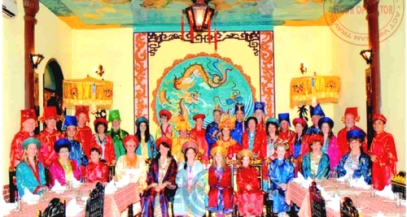
Mr. Ricardo - Program Manager said “Dear Kelvin, Thanks you very much for your well arrangement. Thank you for the updated weather information. I have traveled a lot as a geography professor and dealt with many tour operators. You are one of the best tour operators who can take so much concern and care about customers. I must congratulate you on your good organization and care to minute points. Thanks for the mobile phone you provided to us and SIM cards you provide to all of us (29 cards, I know they are not cheap), it was an excellent convenience for us. It was a brilliant idea and we really appreciated knowing there was someone we could contact at any time should we need to. We love your welcome dinner at Binh Quoi village, where we enjoyed rich traditional southern Vietnamese cuisine with musical accompaniment provided by local folk musicians. We were very interested in the traditional Vietnamese wedding in Binh Quoi and we never forget the “Gong show” in Buon Me Thuot. Once again, thank you very much for great job”.
Ms. Barbara Betts
Australia | 10/13/2014
Orbiz Group from Australia (Discover Vietnam and Cambodia 15 Days)
Ms. Barbara Betts - Escorted guide from Australia said: " Dear Kelvin I want to take this opportunity to thanks you for providing us with superb guides in Vietnam and Cambodia. Well, Manh - tour guide in Vietnam is very professional and knowledegable and you can feel very safe in allowing him to guide your tours. The drivers you provided were also friendly, capable and they too did everything for the group to be happy Thanks you Kelvin so far for a fabulous tour.
Mr. Dany
Malaysia | 10/13/2014
Teachers Group From Malaysia ( Hanoi – Halong bay – Ninh Binh 6 Days )
Mr. Dany - Escorted guide from Malaysia said: " Hi Kelvin Pham, Thanks for arranging a great trip. I wanted to let you know how pleased we were with the itinerary and all the arrangements you organized. Everything worked extremely well and went exactly as planned. The guides were very knowledgable. My favorite site was cruising on the Halong bay. The hotels were great as they were located at the heart of city. We did enjoy eating at the local restaurants as arranged by ACT. The foods were sometimes unusual, but still tasty. I loved “Pho Hanoi“ very much and I would try to cook at my home… Thanks again
Mr. Ohad
Turkey | 10/13/2014
Istmaz Group from Turkey (Saigon - Mekong Delta - Cambodia - Angkor Wat 12 Days).
Mr. Ohad - The Tour Leader said: " On behalf of the entire group, I just wanted to thank both of you for all your help and outstanding execution in making our trip memorable! The entire group could not say enough great things about how well organized & smooth everything went. I really enjoyed Vietnam & Travel. Both tour guides were terrific and Angkor Wat was just amazing! All your arrangements worked out very smoothly and I consider the pilgrimage to be a great success ".
Mr. Steven
United Kingdom | 10/13/2014
Ponila Group from UK (Higlight of Vietnam 16 Days).
Mr. Steven - Escorted guide from UK said: Our trip to Vietnam was overall a positive one. We were very happy with the level of accommodation and quality of the food at all times. We love Hanoi but Ha Long Bay is certainly one of the most beautiful places we have ever seen; the old city in Hoi An has great potential becoming a world-class tourist attraction; and citadel in Hue embodies a great deal of historic signifance, we have a lot of photos in Hue. Cruising on Mekong Delta river was so interesting and Dalat highland was very romantic. Finally, please give our thanks to the tour guides Mrs Phuong, Mr Ky and the drivers who accompanied us throughout, always accommodating to the group's requests and last minute changes in itinerary. We won't forget you!
Mr. Barrick
United States | 10/13/2014
Global Alliane Group From USA (Discover Vietnam – Cambodia 10 Days)
Mr. Barrick - the Tour Leader said: " Dear ACT Team,This is to thank you, and all of those who organised and guided our visit to Vietnam & Cambodia, for a superb holiday. We had a trip of a life time. Everything we were promised happened and more. We brought back so many memories and stories. The restaurants were wonderful and the hotels were great. Mr Nguyen had such a lot of knowledge he shared with us, and had a great sense of humor. He even knew of some Cambodian slang words. The whole trip will be something we will always remember and share with our family and friends. Thanks for all your help in making it so enjoyable. We shall tell all our friends traveling to Indochina that they must use ACT Travel's services !! ".
Partner





ACT VIETNAM TRAVEL
No 3, Alley 25, Dich Vong Hau Str, Cau Giay Dist, Hanoi Capital, Vietnam
sales@vietnamtraveland.com - jimy@vietnamtraveland.com - vip@vietnamtraveland.com
License: 01-639/2015/CDLQGVN-GPLHQT
Company
Term of use
Payment Methods


