
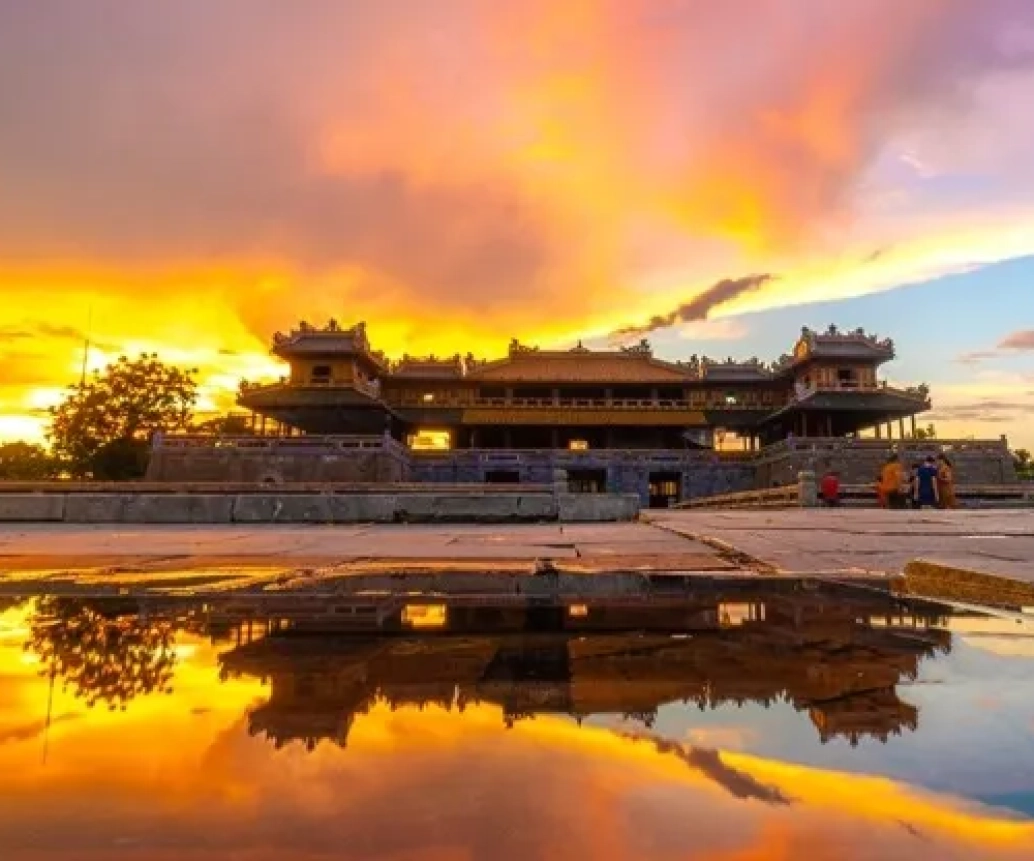
UE TRAVEL GUIDE: DISCOVER THE TIMELESS AND PEACEFUL ANCIENT IMPERIAL CAPITAL
Content []
Exploring Hue - The Ancient Imperial Capital of Vietnam
Getting to Know Hue
Where is Hue
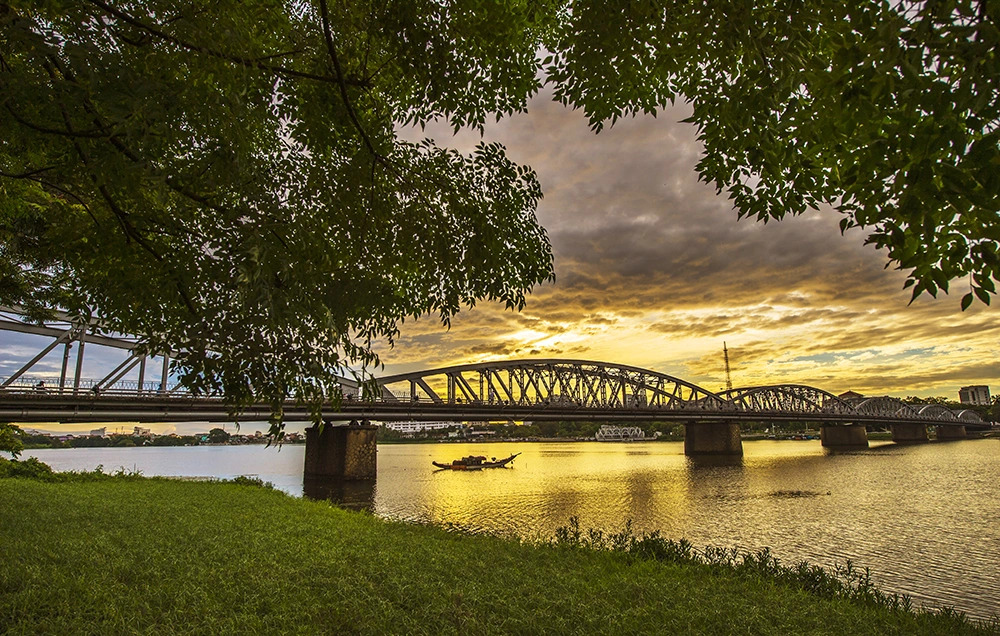
Located in Central Vietnam, Hue sits gracefully along the Huong River, a landscape shaped by nature’s quiet artistry. The city stretches across an 80-kilometer river, a 128-kilometer coastline, and more than 200,000 hectares of lush forest, creating a harmonious blend of water, land, and greenery.
Hue is also easily accessible thanks to its well-connected transportation system, including Phu Bai International Airport, Thuan An Port, National Highway 1A, and the trans-Vietnam railway line, making it a convenient stop on any Vietnam travel itinerary.
A Glimpse into Hue’s History
As Vietnam’s ancient imperial capital, Hue carries a depth of history that quietly unfolds through its landscapes, architecture, and cultural traditions. For centuries, Hue stood at the heart of the nation’s political and cultural life, shaping its identity as a center of power and refinement. This rich history remains one of the key reasons why Hue continues to attract travelers seeking a meaningful and immersive travel guide to Vietnam.
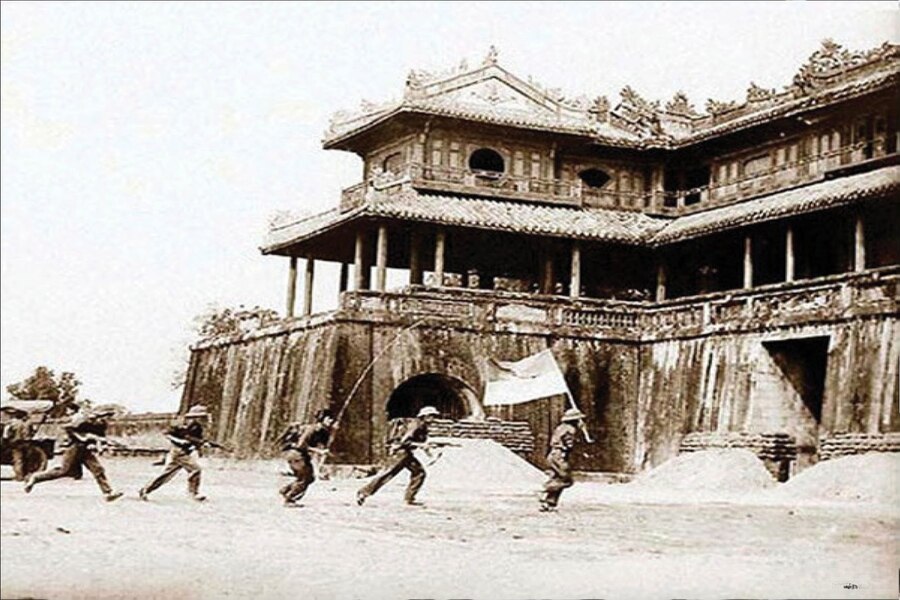
From the late 17th century to the mid-20th century, Hue rose to prominence as the seat of the Nguyen Lords before becoming the official capital of the Nguyen Dynasty, the last feudal dynasty in Vietnam. During this period, the city flourished into a sophisticated imperial capital, where grand palaces, temples, and royal tombs were carefully constructed, many of which are now among Hue’s most iconic attractions.
Hue’s history is also marked by layers of cultural exchange. Under French influence in the late 19th century, elements of Western architecture were introduced, blending seamlessly with traditional Vietnamese design. This unique fusion contributes to the timeless charm that defines Hue today, adding depth to its cultural landscape and enriching the experience for visitors.
Despite the challenges of war, particularly during the 20th century, Hue has preserved and restored much of its historical heritage. Today, as a destination known for its heritage, cuisine, and cultural richness, Hue invites travelers to explore not only its attractions but also the enduring legacy of Vietnam’s ancient imperial capital.
Planning Your Visit: Weather and the Best Time to Go
Hue features a tropical monsoon climate, where each season reveals a different layer of its charm, shaping not only the scenery but also the overall travel experience. Spring, from mid-January to April, is often considered the most ideal time to visit Hue. With pleasant temperatures ranging from 22°C to 25°C, the city comes alive with cultural energy, especially during Tet (Vietnamese Lunar New Year) and the renowned Hue Festival in April. This is when Hue’s history, traditions, and attractions are showcased in their most vibrant form, making it perfect for outdoor exploration.
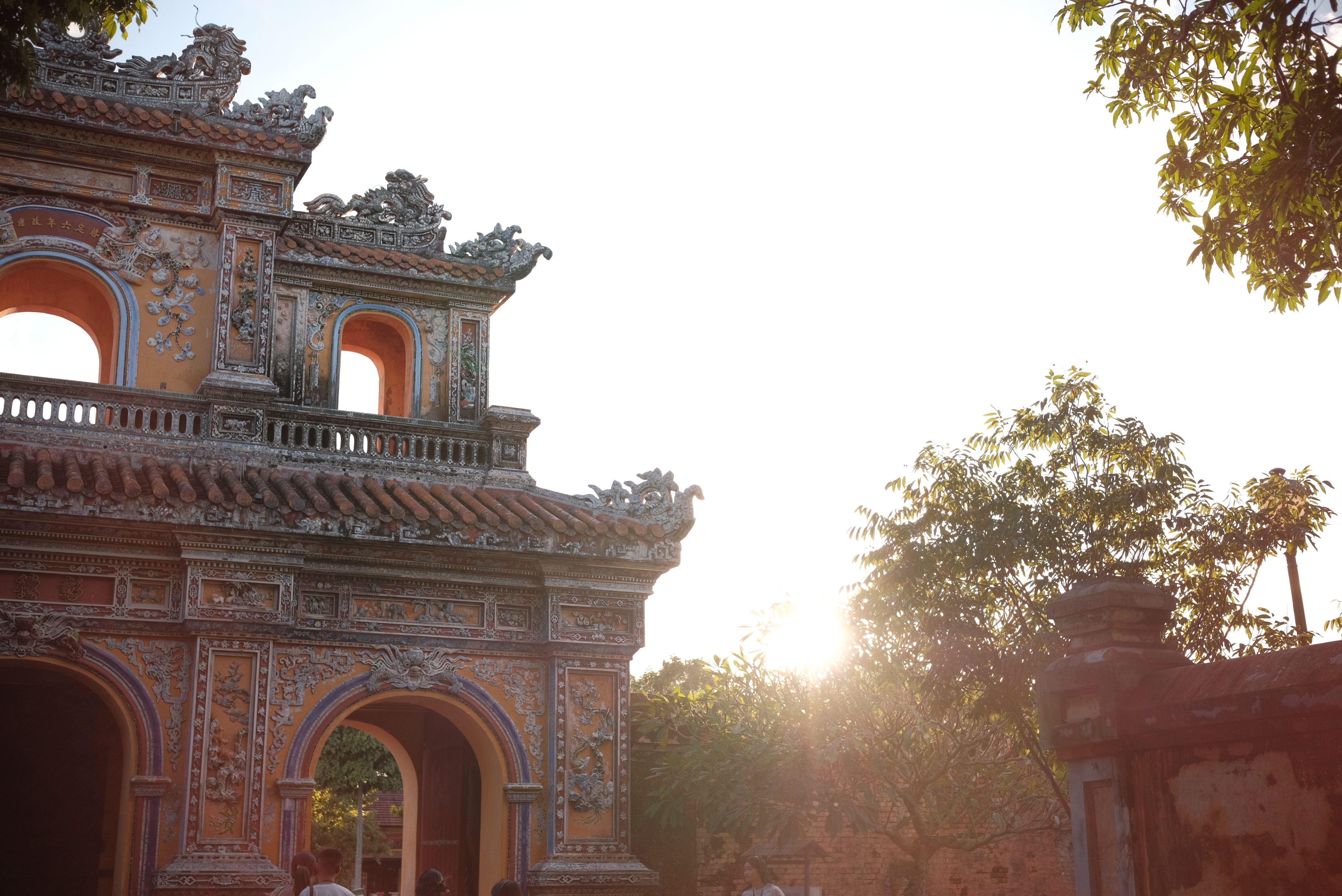
Summer, from May to August, brings higher temperatures between 30°C and 38°C. While the heat can be intense, it also offers a slower, more introspective way to experience Hue. Travelers can take their time exploring historical sites, visiting ancient pagodas, or immersing themselves in local cuisine and daily life within traditional markets.
As autumn arrives from mid-August to September, the weather softens to a cooler 18°C to 20°C, accompanied by gentle seasonal rains. This period creates a quieter, more reflective atmosphere, ideal for those seeking a peaceful escape and a deeper connection with Hue’s timeless beauty.
From October to December, Hue enters its rainy and flood season. While the persistent rains add a poetic quality often associated with the city, this is generally not the most convenient time for sightseeing or exploring outdoor attractions.
Hue Highlights: Iconic Attractions
The Imperial City of Hue
Situated on the north bank of the Huong River, the Imperial City of Hue stands as the most iconic symbol of Hue, the ancient imperial capital of Vietnam. As one of the city’s most remarkable attractions, this grand citadel reflects the power, vision, and sophistication of a dynasty that once ruled the nation.
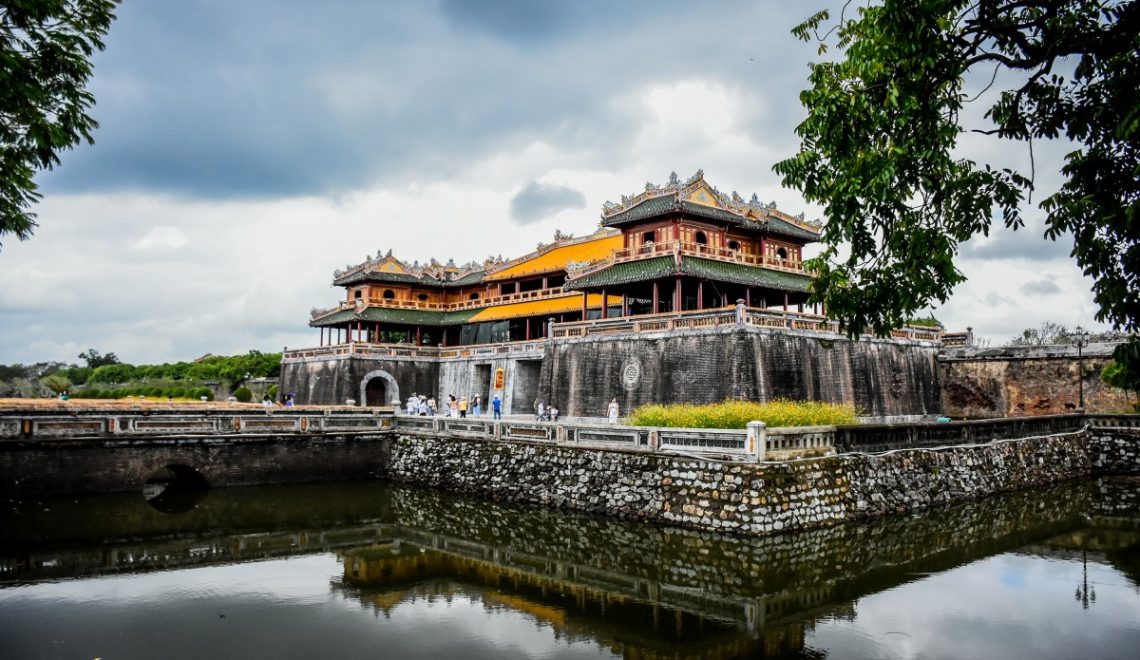
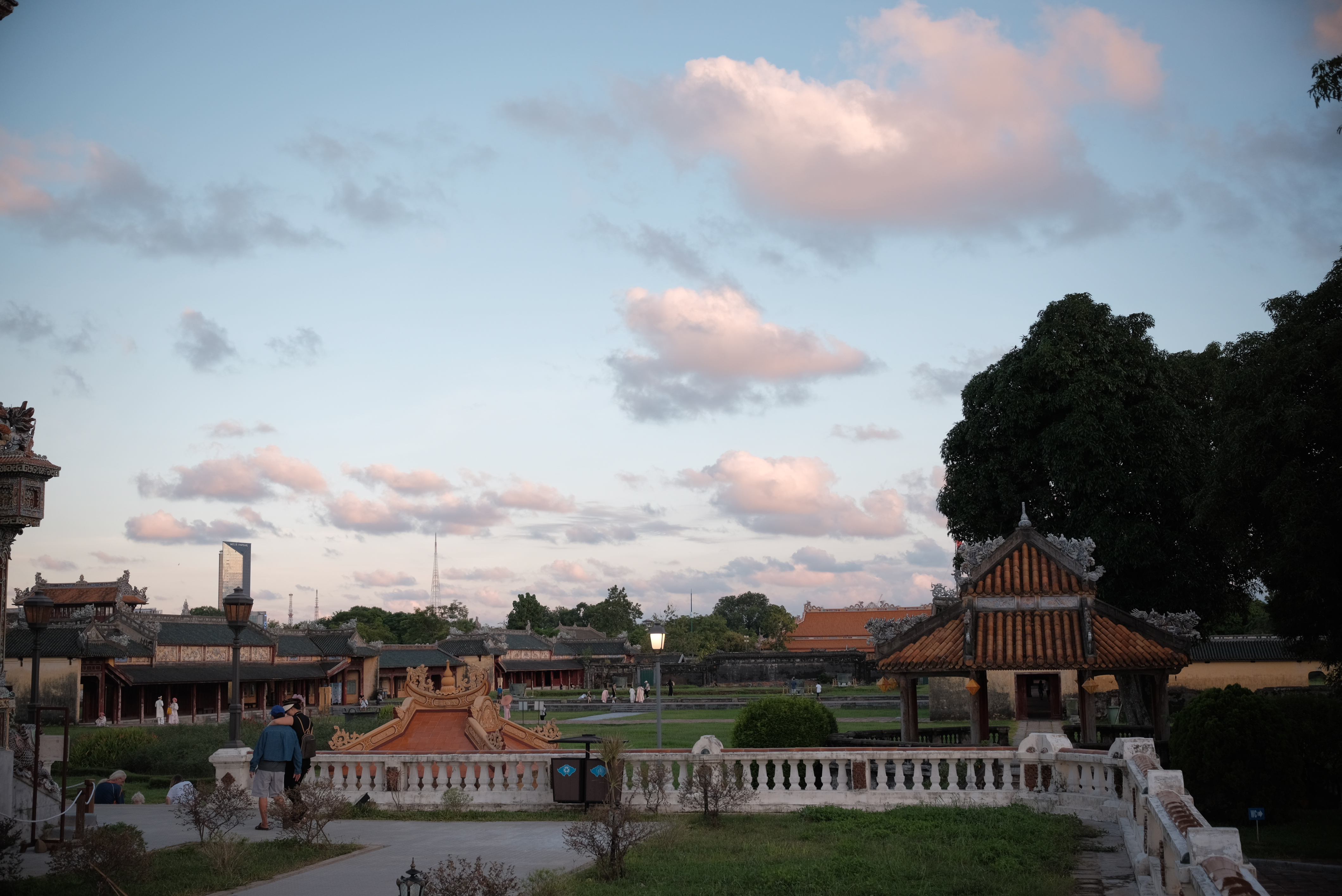
Construction began in 1805 under Emperor Gia Long, marking the foundation of what would become the political and cultural heart of Vietnam. The scale of the project was immense, with around 30,000 workers mobilized to build river embankments and intricate canal systems. By 1818, the workforce had grown to nearly 80,000 people, focusing on reinforcing the citadel with brick walls across its four main sides, creating a formidable and well-structured complex.
Further expansion took place between 1831 and 1832 under Emperor Minh Mang, who ordered the addition of outer defensive walls equipped with cannons. These enhancements completed the architectural layout of the Imperial City, transforming it into both a powerful military fortress and a refined royal enclosure.
The Royal Tombs of the Nguyen Dynasty
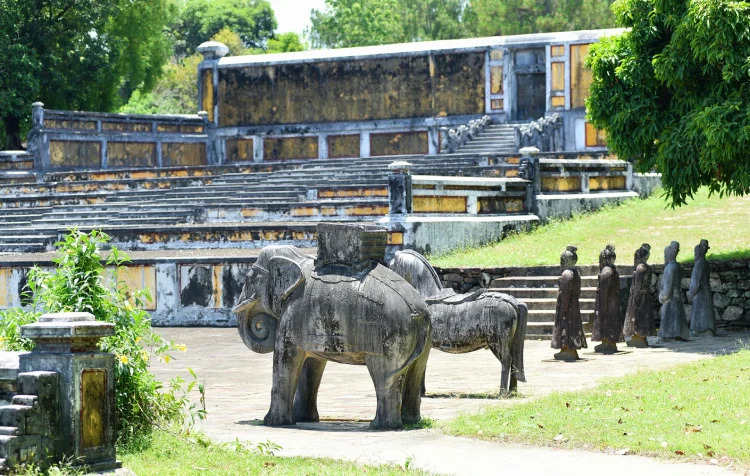
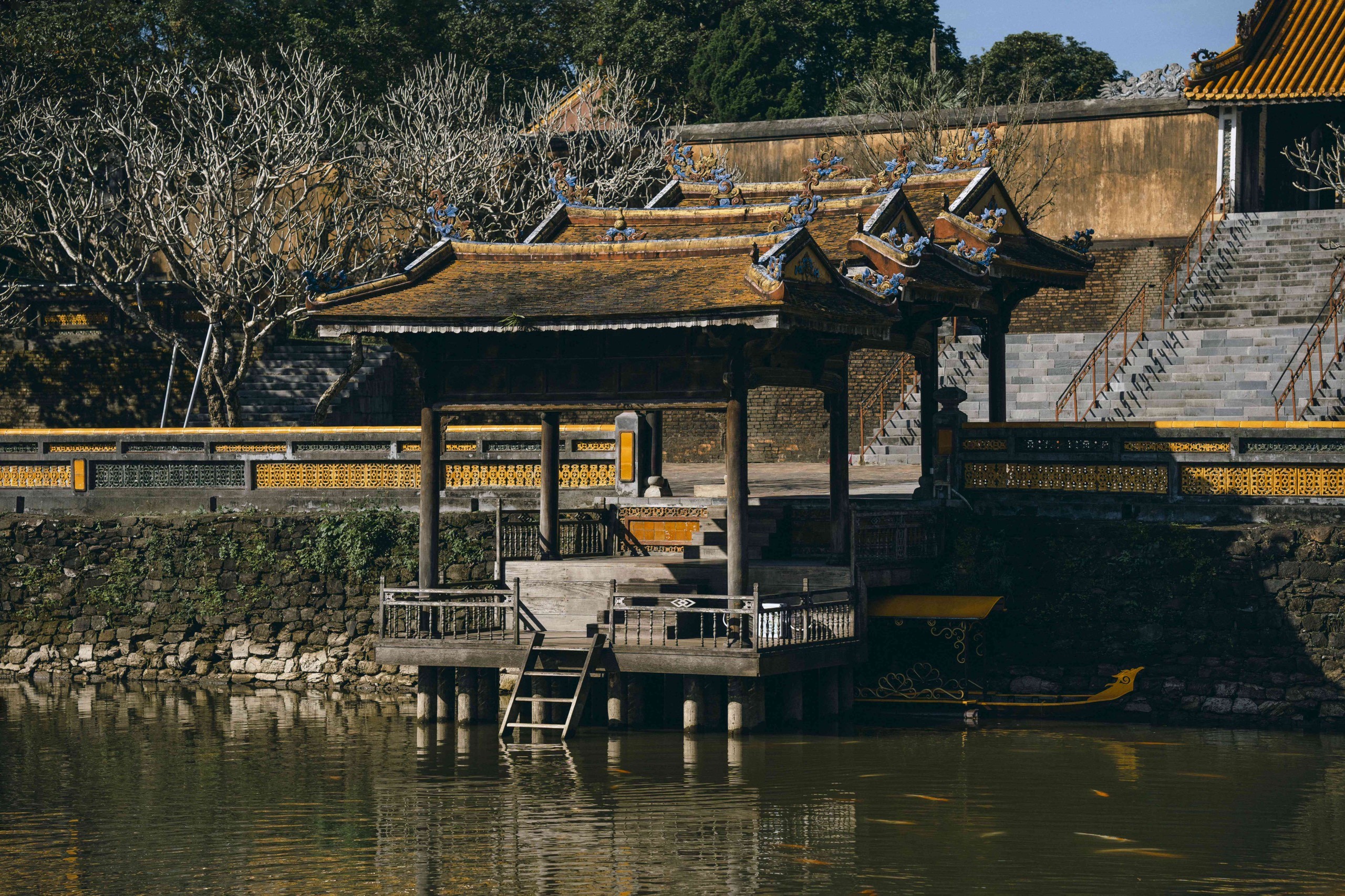
Scattered across the poetic landscape of Hue, the royal tombs of the Nguyen Dynasty are among the most captivating attractions in this ancient imperial capital. More than grand architectural works, these tombs embody a deep sense of philosophy, reflecting the emperors’ views on life, death, and the universe.
Each tomb is uniquely designed to harmonize with its natural surroundings, blending mountains, rivers, and carefully arranged structures into a serene and symbolic space. Visiting renowned sites such as Gia Long Tomb, Minh Mang Tomb, Tu Duc Tomb, and Khai Dinh Tomb offers travelers a deeper understanding of the lives, personalities, and legacies of Vietnam’s former rulers.
Beyond their historical significance, these tombs create an atmosphere of quiet reflection, where time seems to slow down. As part of any Hue travel guide, exploring these royal resting places allows visitors to connect with the history and cultural depth that define Hue as Vietnam’s ancient imperial capital.
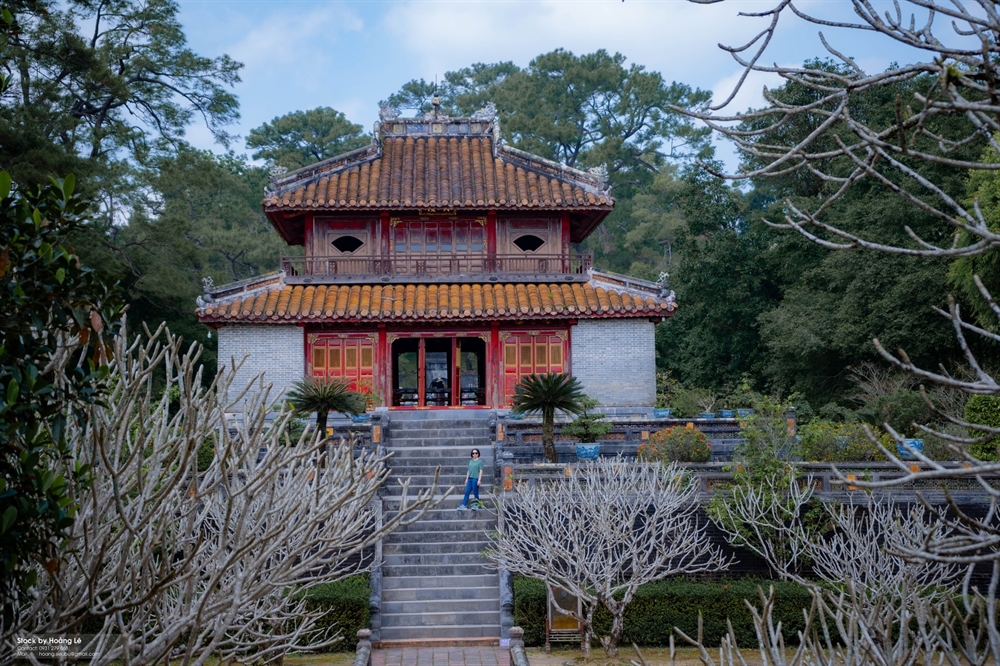
An Dinh Palace
Located along the banks of the An Cuu River, An Dinh Palace was once the private residence of Emperor Khai Dinh, offering a more intimate glimpse into royal life within Hue, the ancient imperial capital of Vietnam. Unlike the grand formality of the Imperial City, this palace reflects a refined blend of personal taste and cultural transition.
As part of the Complex of Hue Monuments, recognized by UNESCO as a World Cultural Heritage Site in 1993, An Dinh Palace holds both historical and architectural significance. Its design showcases a striking fusion of Eastern and Western influences, where traditional Vietnamese elements meet elegant European details.
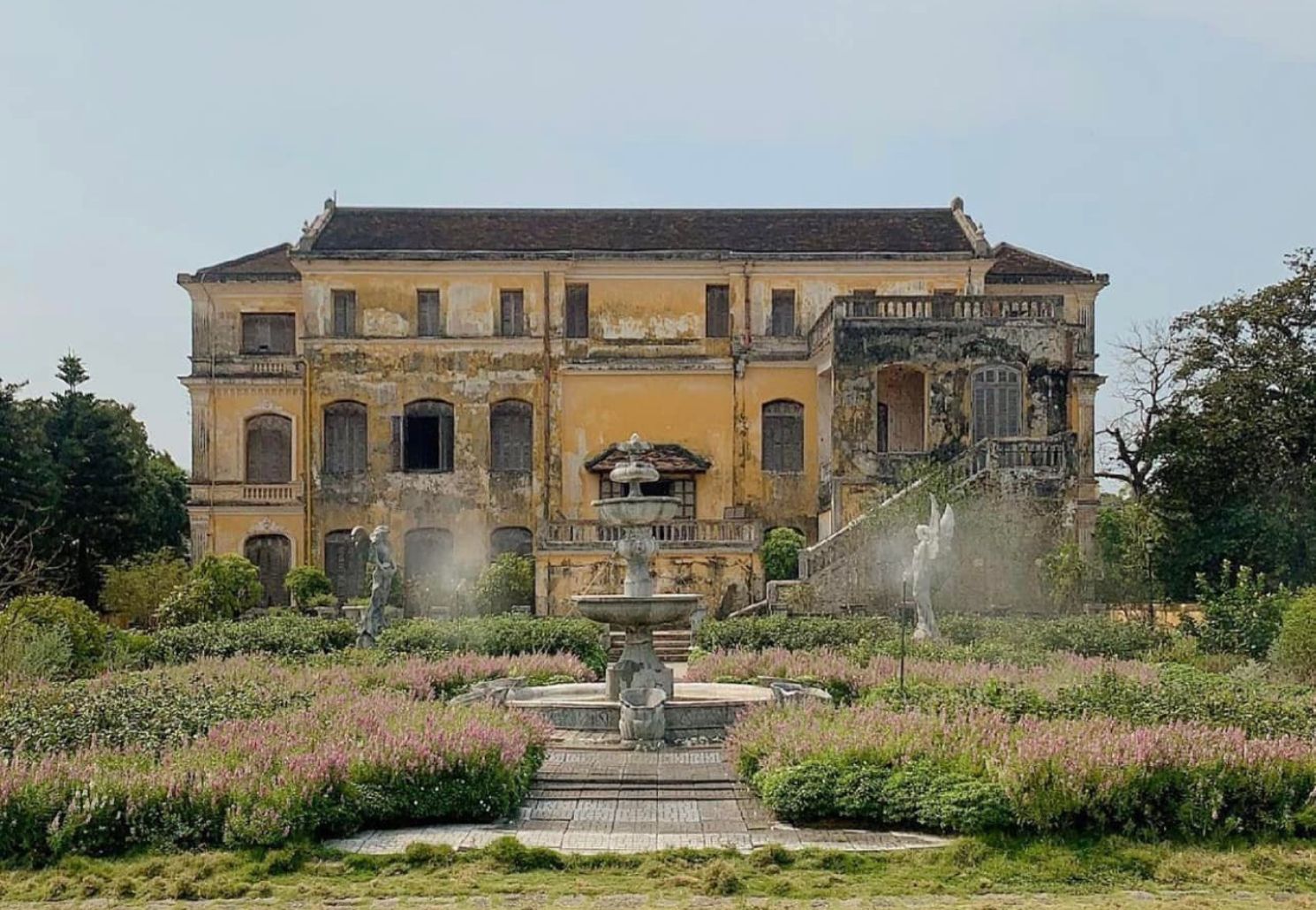
Today, An Dinh Palace has become one of the most visually distinctive attractions in any Hue travel guide. With its ornate interiors, vintage ambiance, and harmonious East–West aesthetics, it is also a sought-after spot for photography, offering visitors a chance to capture the timeless charm of Hue in a uniquely artistic setting
Thien Mu Pagoda and the Huong River
Thien Mu Pagoda, also known as Linh Mu Pagoda, is one of the oldest and most iconic spiritual landmarks in Hue, the ancient imperial capital of Vietnam. Built in 1601, the pagoda stands gracefully on Ha Khe Hill, overlooking the gentle flow of the Huong River, creating a scene that perfectly captures the city’s tranquil and poetic character.
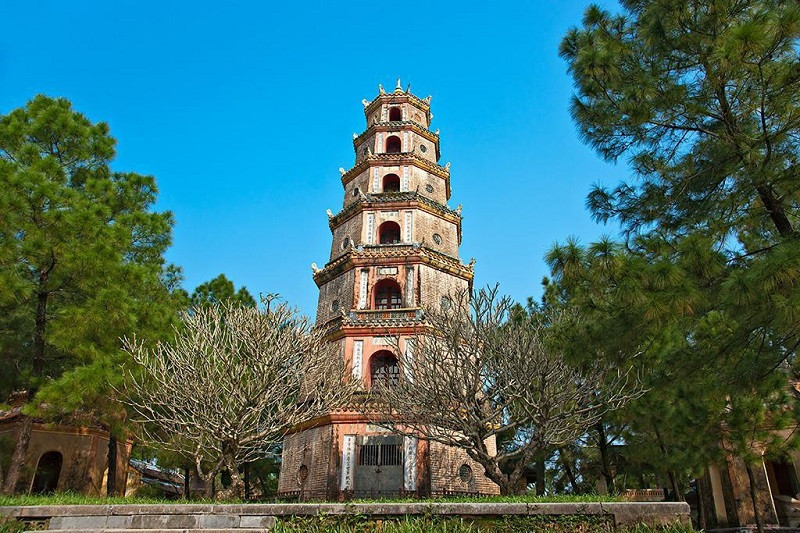
With its historic architecture and serene surroundings, Thien Mu Pagoda has become a must-visit attraction in any Hue travel guide. The site not only reflects the deep-rooted religious traditions of the region but also offers a peaceful retreat where visitors can slow down and take in the timeless beauty of Hue.
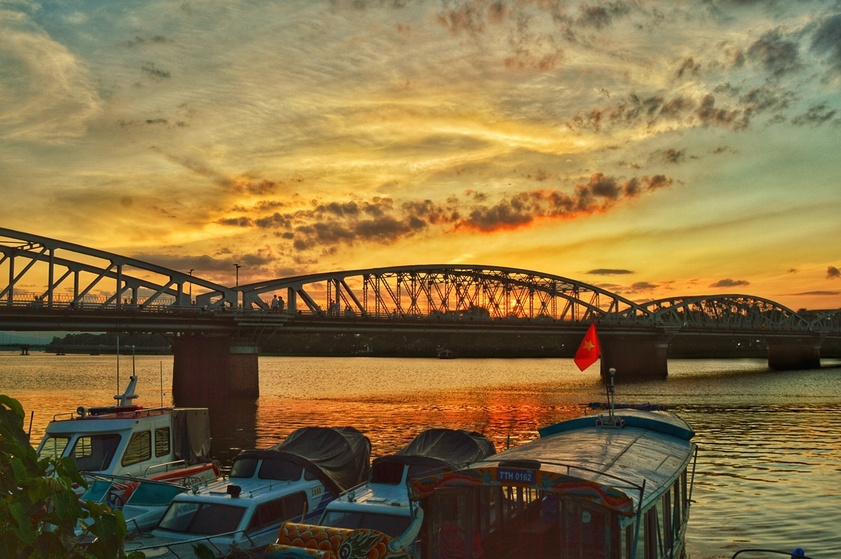
Flowing quietly beside it, the Huong River is often described as a “soft silk ribbon” embracing the city. Beyond its natural charm, the river carries centuries of cultural and historical significance, shaping the identity of Hue and enhancing the experience of those who come to explore its heritage.
Dong Ba Market
With a history spanning over a century, Dong Ba Market stands as more than just a commercial hub in Hue, the ancient imperial capital of Vietnam. It is a vibrant cultural symbol that reflects the daily life, traditions, and local identity of the city.
Originally established in the 19th century, the market was destroyed in 1885 and later rebuilt in 1887. Since then, it has remained a central part of Hue’s urban life, evolving into one of the most dynamic attractions featured in any Hue travel guide.
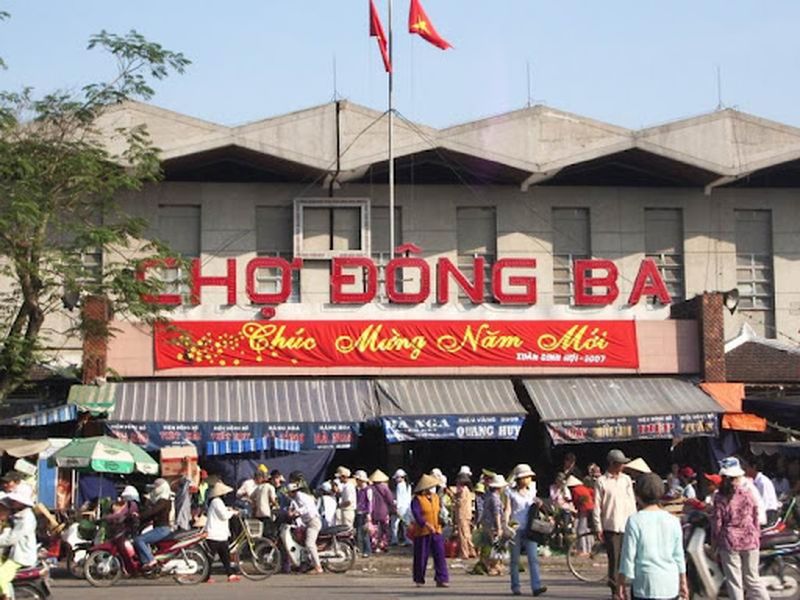
Today, Dong Ba Market is always alive with energy, filled with vendors and visitors trading a wide variety of goods, from fresh produce to everyday essentials. Beyond shopping, it is also a paradise for food lovers. As the day unfolds, countless food stalls come to life, offering an array of local cuisine, making it the perfect place to wander, taste, and fully experience the authentic flavors of Hue.
Hue, the ancient imperial capital of Vietnam, is more than just a destination—it is a journey through history, culture, and quiet beauty. From majestic attractions and royal heritage to serene landscapes and rich cuisine, every corner of Hue tells a story that lingers long after the trip ends.
Whether you are drawn by its historical depth, cultural richness, or simply the desire to slow down and experience a different rhythm of life, Hue offers a travel experience that is both meaningful and unforgettable. Let ACT Travel Agent be your trusted companion in exploring Hue, where every moment reveals a timeless charm waiting to be discovered.
Read this next


Dong Van Stone Plateau recognised as world geopark
Quick Contact
Reviews from Customers
Please take a look at the following reviews from our customers
Mr Clarence- Travel President, Philippines
Vietnam | 01/14/2026
Luxury Golf Tour in Da Nang, 5days
Hi Jimy, We returned home safely today. I would like to say a special thanks to you and your team ACT TRAVEL. We really loved and satisfied with your pro services. We do love these golf courses in Da Nang. They were amazing and fantastic quality and view. We will come back here soon. I am looking foward to working together with you soon! Best regards, Mr Clarence- Travel President, Philippines
Mr. Jean Pie
United Kingdom | 10/13/2014
RAM Holidays from UK (Impressive of Vietnam 15 days)
Mr. Jean Pie – Tour Leader said “Thank you very much for doing such an excellent job on the tour. You went above and beyond for all of us and we really appreciate all your hard work. Thank you for your calm leadership through the “HAIYAN” storm, you really help us through it. Thanks to ACT Travel, we had a wonderful time and unforgettable memory”.
Mr. Navy Vang
Australia | 10/13/2014
Mandarin Group from Australia (Charming Vietnam 10 Days)
Mr. Navy Vang - Tour manager from Australia said: " Wow what a great vacation !. Thank you Mr Kelvin Pham so much. We are very grateful for everything you did for us and everything went very well. We’re safe and sound back home thinking about the joy we experienced. I've already decided that when I choose to travel again, I will go through your company. I also highly recommend ACT Travel Travel to any organization looking for a great agency. Kind regards
Mr. Ricardo - Program Manager
Brazil | 03/31/2014
DOMINGOS Group from Brazin (IMPRESSIVE VIETNAM 17 DAYS.)
Mr. Ricardo - Program Manager said “Dear Kelvin, Thanks you very much for your well arrangement. Thank you for the updated weather information. I have traveled a lot as a geography professor and dealt with many tour operators. You are one of the best tour operators who can take so much concern and care about customers. I must congratulate you on your good organization and care to minute points. Thanks for the mobile phone you provided to us and SIM cards you provide to all of us (29 cards, I know they are not cheap), it was an excellent convenience for us. It was a brilliant idea and we really appreciated knowing there was someone we could contact at any time should we need to. We love your welcome dinner at Binh Quoi village, where we enjoyed rich traditional southern Vietnamese cuisine with musical accompaniment provided by local folk musicians. We were very interested in the traditional Vietnamese wedding in Binh Quoi and we never forget the “Gong show” in Buon Me Thuot. Once again, thank you very much for great job”.
Ms. Barbara Betts
Australia | 10/13/2014
Orbiz Group from Australia (Discover Vietnam and Cambodia 15 Days)
Ms. Barbara Betts - Escorted guide from Australia said: " Dear Kelvin I want to take this opportunity to thanks you for providing us with superb guides in Vietnam and Cambodia. Well, Manh - tour guide in Vietnam is very professional and knowledegable and you can feel very safe in allowing him to guide your tours. The drivers you provided were also friendly, capable and they too did everything for the group to be happy Thanks you Kelvin so far for a fabulous tour.
Mr. Dany
Malaysia | 10/13/2014
Teachers Group From Malaysia ( Hanoi – Halong bay – Ninh Binh 6 Days )
Mr. Dany - Escorted guide from Malaysia said: " Hi Kelvin Pham, Thanks for arranging a great trip. I wanted to let you know how pleased we were with the itinerary and all the arrangements you organized. Everything worked extremely well and went exactly as planned. The guides were very knowledgable. My favorite site was cruising on the Halong bay. The hotels were great as they were located at the heart of city. We did enjoy eating at the local restaurants as arranged by ACT. The foods were sometimes unusual, but still tasty. I loved “Pho Hanoi“ very much and I would try to cook at my home… Thanks again
Mr. Ohad
Turkey | 10/13/2014
Istmaz Group from Turkey (Saigon - Mekong Delta - Cambodia - Angkor Wat 12 Days).
Mr. Ohad - The Tour Leader said: " On behalf of the entire group, I just wanted to thank both of you for all your help and outstanding execution in making our trip memorable! The entire group could not say enough great things about how well organized & smooth everything went. I really enjoyed Vietnam & Travel. Both tour guides were terrific and Angkor Wat was just amazing! All your arrangements worked out very smoothly and I consider the pilgrimage to be a great success ".
Mr. Steven
United Kingdom | 10/13/2014
Ponila Group from UK (Higlight of Vietnam 16 Days).
Mr. Steven - Escorted guide from UK said: Our trip to Vietnam was overall a positive one. We were very happy with the level of accommodation and quality of the food at all times. We love Hanoi but Ha Long Bay is certainly one of the most beautiful places we have ever seen; the old city in Hoi An has great potential becoming a world-class tourist attraction; and citadel in Hue embodies a great deal of historic signifance, we have a lot of photos in Hue. Cruising on Mekong Delta river was so interesting and Dalat highland was very romantic. Finally, please give our thanks to the tour guides Mrs Phuong, Mr Ky and the drivers who accompanied us throughout, always accommodating to the group's requests and last minute changes in itinerary. We won't forget you!
Mr. Barrick
United States | 10/13/2014
Global Alliane Group From USA (Discover Vietnam – Cambodia 10 Days)
Mr. Barrick - the Tour Leader said: " Dear ACT Team,This is to thank you, and all of those who organised and guided our visit to Vietnam & Cambodia, for a superb holiday. We had a trip of a life time. Everything we were promised happened and more. We brought back so many memories and stories. The restaurants were wonderful and the hotels were great. Mr Nguyen had such a lot of knowledge he shared with us, and had a great sense of humor. He even knew of some Cambodian slang words. The whole trip will be something we will always remember and share with our family and friends. Thanks for all your help in making it so enjoyable. We shall tell all our friends traveling to Indochina that they must use ACT Travel's services !! ".
Partner





ACT VIETNAM TRAVEL
No 3, Alley 25, Dich Vong Hau Str, Cau Giay Dist, Hanoi Capital, Vietnam
sales@vietnamtraveland.com - jimy@vietnamtraveland.com - vip@vietnamtraveland.com
License: 01-639/2015/CDLQGVN-GPLHQT
Company
Term of use
Payment Methods


