
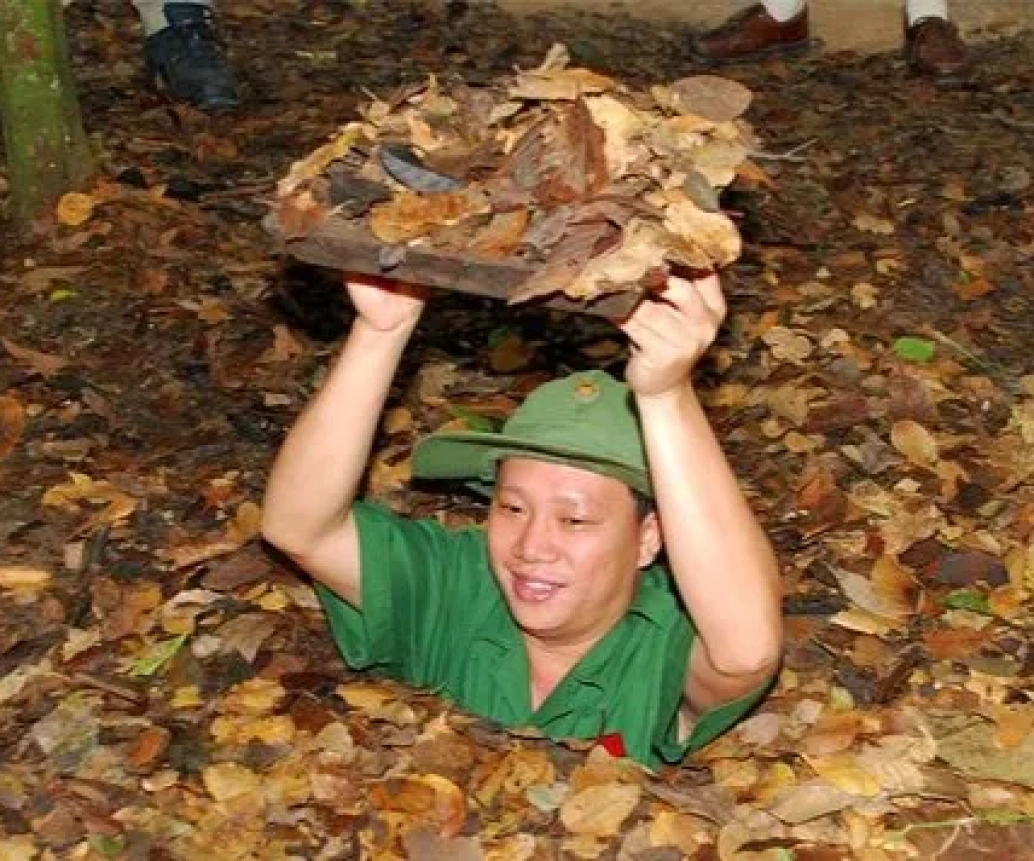
Cu Chi Tunnels - Extraordinary Stories Beneath the Earth (P1)
Content []
Cu Chi Tunnels – Echoes of War Beneath Vietnam’s Soil
Located near Ho Chi Minh City, in what was once known as the “Iron Land,” the Cu Chi Tunnels became a symbol of survival where the line between life and death was separated by only layers of earth. Far more than a wartime relic, this vast underground network stands as a testament to extraordinary ingenuity, courage, and the unbreakable spirit of the Vietnamese people.
Join ACT Travel Agent as we open a doorway to the past and descend beneath the surface to uncover the powerful stories hidden within the Cu Chi Tunnels.
Getting to know about Cu Chi Tunnels
Where Are the Cu Chi Tunnels Located and How Can You Visit This Site?
The Cu Chi Tunnels are located in Cu Chi District, approximately 70 kilometers northwest of Ho Chi Minh City. Today, the area appears calm, surrounded by quiet countryside and rubber plantations. Yet beneath this peaceful landscape lies one of the most significant historical landmarks in the History of Vietnam.
The Cu Chi Tunnels played a crucial role during the resistance war against America to save the country. What visitors see now is only a small preserved section of a once vast underground network that supported both soldiers and civilians. For many international travelers, this site offers a deeper understanding of Vietnam’s struggle for independence and national reunification.
The Cu Chi Tunnels are one of the most accessible historical sites for a day trip from Ho Chi Minh City, making them a popular destination for visitors who want to explore beyond the urban skyline.
There are several ways to visit:
- Guided tour: The most convenient option, including transportation, entrance tickets, and professional historical commentary.
- Private car transfer: Ideal for travelers who prefer flexibility and comfort.
- Motorbike journey: Suitable for experienced riders seeking independence.
- Speedboat: Offers a truly unique and scenic odyssey, allowing you to bypass the city traffic, capture stunning riverfront photos, and witness the legendary Chi Chi Tunnels from a completely fresh perspective
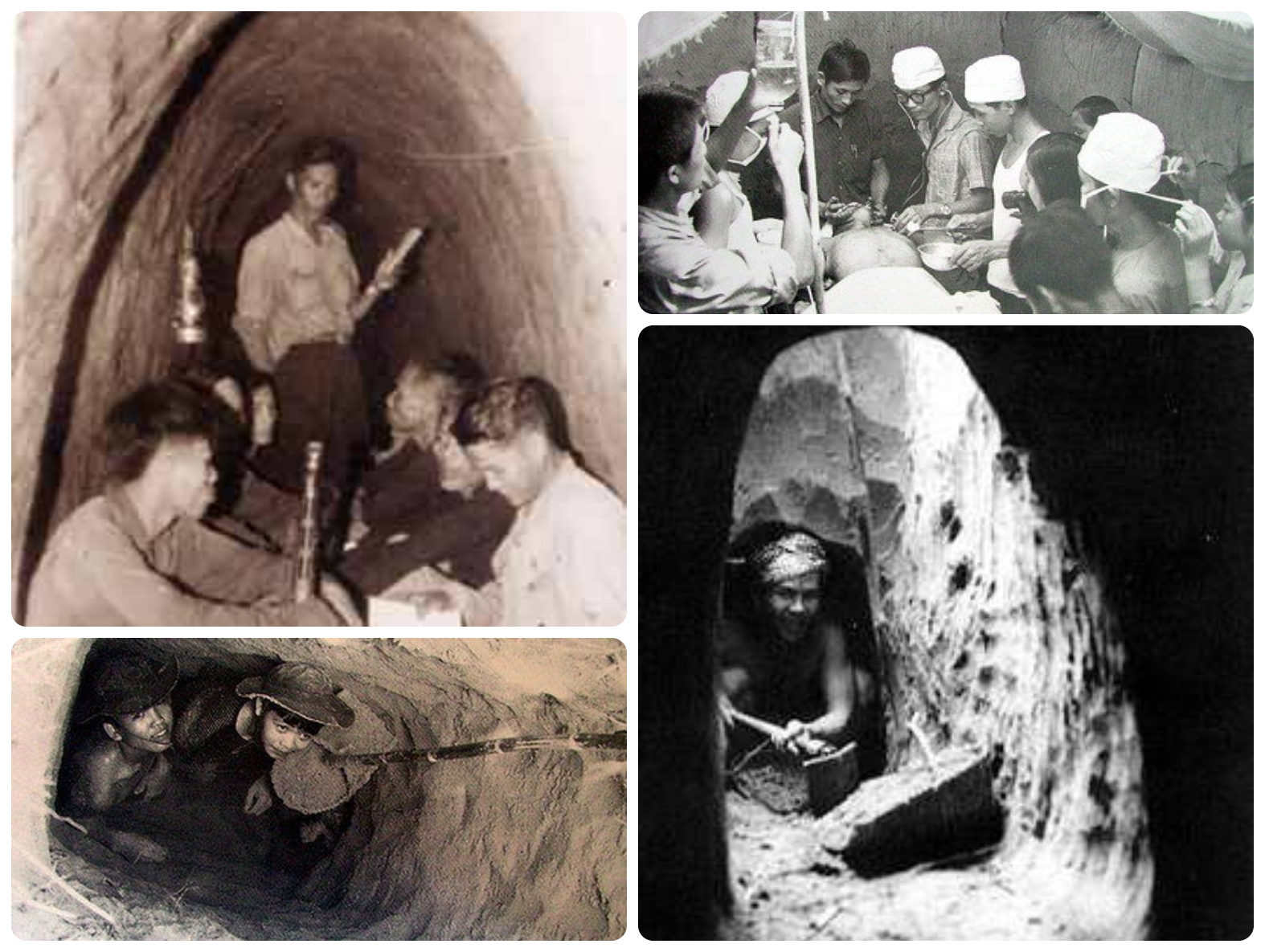
The History Story Behind Cu Chi Tunnels
The story of the Cu Chi Tunnels is a breathtaking epic of human ingenuity confronting the world’s most modern military machinery. Within the broader history of Vietnam, the tunnels stand as one of the most powerful symbols of the resistance war against America to save the country. What began as a strategic necessity gradually evolved into an underground fortress that reshaped the nature of warfare in southern Vietnam.
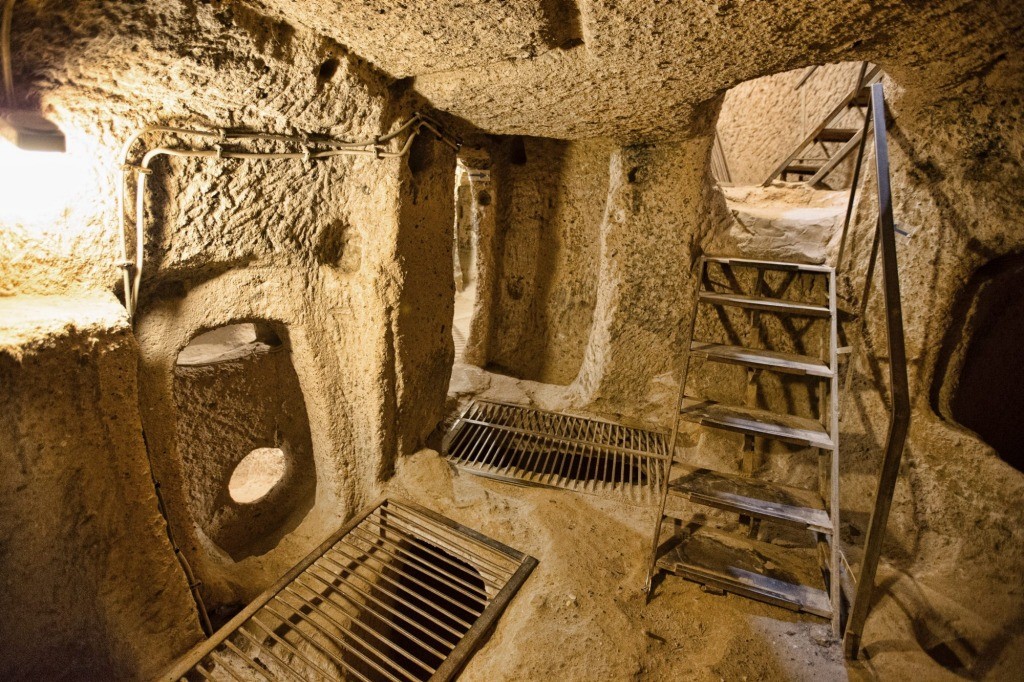
Starting in 1961, the people of Cu Chi hand carved nearly 200 kilometers of multi level tunnels, carefully connected to more than 500 kilometers of surface trenches. Beneath the soil, an entire hidden world took shape. This underground city contained command centers, living quarters, field hospitals, storage facilities, and concealed entrances that blended seamlessly into the landscape. Designed across multiple levels, the system allowed movement, communication, and survival even under relentless attack, transforming the earth itself into a shield and a weapon.
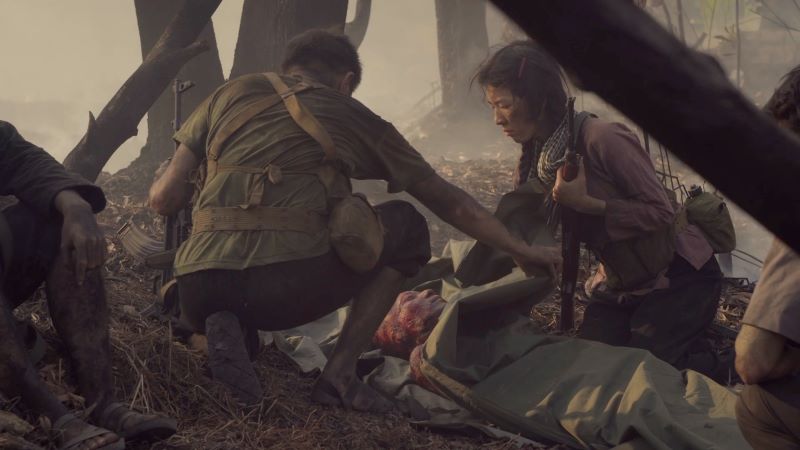
Between 1954 and 1975, Cu Chi became one of the most heavily bombed districts on Earth. Approximately 500,000 tons of bombs were dropped on this small area, averaging nearly 1.5 tons per resident. Around 480 tons of toxic chemicals devastated forests and farmland, permanently altering the environment. More than 5,000 sweep operations were launched to destroy the tunnel network, using specialized “tunnel rat” soldiers, sniffer dogs, and even attempts to flood the passages with water. The surface landscape was repeatedly shattered, yet underground the network endured.
Despite overwhelming firepower, the soldiers and civilians of Cu Chi adapted with remarkable strategy. The tunnels enabled surprise ambushes, rapid repositioning, and close range engagements. One notable tactic was known as “catching the enemy by the belt,” fighting at such proximity that heavy artillery and advanced weaponry became ineffective. In this way, modern technology was countered not by equal force, but by tactical precision, resilience, and intimate knowledge of the terrain.
Victory came at a profound cost. Thousands of battles were fought across this district. More than 5,000 military vehicles, many of them tanks, were destroyed, and hundreds of aircraft were brought down. Yet behind these numbers lies the silent sacrifice of over 10,000 soldiers and 10,000 civilians who lost their lives. Today, the Cu Chi Tunnels remain not only a historic landmark but a solemn testament to courage, endurance, and the immense human price written into the soil of Vietnam.
Read this next


Dong Van Stone Plateau recognised as world geopark

Quick Contact
Reviews from Customers
Please take a look at the following reviews from our customers
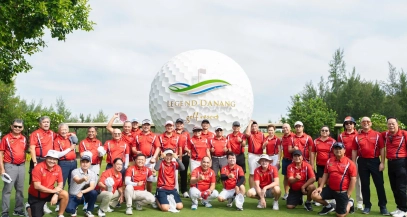
Mr Clarence- Travel President, Philippines
Vietnam | 01/14/2026
Luxury Golf Tour in Da Nang, 5days
Hi Jimy, We returned home safely today. I would like to say a special thanks to you and your team ACT TRAVEL. We really loved and satisfied with your pro services. We do love these golf courses in Da Nang. They were amazing and fantastic quality and view. We will come back here soon. I am looking foward to working together with you soon! Best regards, Mr Clarence- Travel President, Philippines
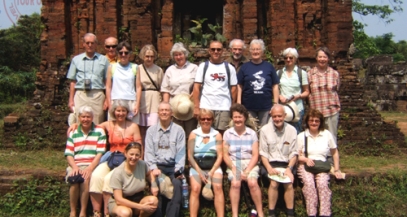
Mr. Jean Pie
United Kingdom | 10/13/2014
RAM Holidays from UK (Impressive of Vietnam 15 days)
Mr. Jean Pie – Tour Leader said “Thank you very much for doing such an excellent job on the tour. You went above and beyond for all of us and we really appreciate all your hard work. Thank you for your calm leadership through the “HAIYAN” storm, you really help us through it. Thanks to ACT Travel, we had a wonderful time and unforgettable memory”.
Mr. Navy Vang
Australia | 10/13/2014
Mandarin Group from Australia (Charming Vietnam 10 Days)
Mr. Navy Vang - Tour manager from Australia said: " Wow what a great vacation !. Thank you Mr Kelvin Pham so much. We are very grateful for everything you did for us and everything went very well. We’re safe and sound back home thinking about the joy we experienced. I've already decided that when I choose to travel again, I will go through your company. I also highly recommend ACT Travel Travel to any organization looking for a great agency. Kind regards
Mr. Ricardo - Program Manager
Brazil | 03/31/2014
DOMINGOS Group from Brazin (IMPRESSIVE VIETNAM 17 DAYS.)
Mr. Ricardo - Program Manager said “Dear Kelvin, Thanks you very much for your well arrangement. Thank you for the updated weather information. I have traveled a lot as a geography professor and dealt with many tour operators. You are one of the best tour operators who can take so much concern and care about customers. I must congratulate you on your good organization and care to minute points. Thanks for the mobile phone you provided to us and SIM cards you provide to all of us (29 cards, I know they are not cheap), it was an excellent convenience for us. It was a brilliant idea and we really appreciated knowing there was someone we could contact at any time should we need to. We love your welcome dinner at Binh Quoi village, where we enjoyed rich traditional southern Vietnamese cuisine with musical accompaniment provided by local folk musicians. We were very interested in the traditional Vietnamese wedding in Binh Quoi and we never forget the “Gong show” in Buon Me Thuot. Once again, thank you very much for great job”.
Ms. Barbara Betts
Australia | 10/13/2014
Orbiz Group from Australia (Discover Vietnam and Cambodia 15 Days)
Ms. Barbara Betts - Escorted guide from Australia said: " Dear Kelvin I want to take this opportunity to thanks you for providing us with superb guides in Vietnam and Cambodia. Well, Manh - tour guide in Vietnam is very professional and knowledegable and you can feel very safe in allowing him to guide your tours. The drivers you provided were also friendly, capable and they too did everything for the group to be happy Thanks you Kelvin so far for a fabulous tour.
Mr. Dany
Malaysia | 10/13/2014
Teachers Group From Malaysia ( Hanoi – Halong bay – Ninh Binh 6 Days )
Mr. Dany - Escorted guide from Malaysia said: " Hi Kelvin Pham, Thanks for arranging a great trip. I wanted to let you know how pleased we were with the itinerary and all the arrangements you organized. Everything worked extremely well and went exactly as planned. The guides were very knowledgable. My favorite site was cruising on the Halong bay. The hotels were great as they were located at the heart of city. We did enjoy eating at the local restaurants as arranged by ACT. The foods were sometimes unusual, but still tasty. I loved “Pho Hanoi“ very much and I would try to cook at my home… Thanks again
Mr. Ohad
Turkey | 10/13/2014
Istmaz Group from Turkey (Saigon - Mekong Delta - Cambodia - Angkor Wat 12 Days).
Mr. Ohad - The Tour Leader said: " On behalf of the entire group, I just wanted to thank both of you for all your help and outstanding execution in making our trip memorable! The entire group could not say enough great things about how well organized & smooth everything went. I really enjoyed Vietnam & Travel. Both tour guides were terrific and Angkor Wat was just amazing! All your arrangements worked out very smoothly and I consider the pilgrimage to be a great success ".
Mr. Steven
United Kingdom | 10/13/2014
Ponila Group from UK (Higlight of Vietnam 16 Days).
Mr. Steven - Escorted guide from UK said: Our trip to Vietnam was overall a positive one. We were very happy with the level of accommodation and quality of the food at all times. We love Hanoi but Ha Long Bay is certainly one of the most beautiful places we have ever seen; the old city in Hoi An has great potential becoming a world-class tourist attraction; and citadel in Hue embodies a great deal of historic signifance, we have a lot of photos in Hue. Cruising on Mekong Delta river was so interesting and Dalat highland was very romantic. Finally, please give our thanks to the tour guides Mrs Phuong, Mr Ky and the drivers who accompanied us throughout, always accommodating to the group's requests and last minute changes in itinerary. We won't forget you!
Mr. Barrick
United States | 10/13/2014
Global Alliane Group From USA (Discover Vietnam – Cambodia 10 Days)
Mr. Barrick - the Tour Leader said: " Dear ACT Team,This is to thank you, and all of those who organised and guided our visit to Vietnam & Cambodia, for a superb holiday. We had a trip of a life time. Everything we were promised happened and more. We brought back so many memories and stories. The restaurants were wonderful and the hotels were great. Mr Nguyen had such a lot of knowledge he shared with us, and had a great sense of humor. He even knew of some Cambodian slang words. The whole trip will be something we will always remember and share with our family and friends. Thanks for all your help in making it so enjoyable. We shall tell all our friends traveling to Indochina that they must use ACT Travel's services !! ".
Partner





ACT VIETNAM TRAVEL
No 3, Alley 25, Dich Vong Hau Str, Cau Giay Dist, Hanoi Capital, Vietnam
sales@vietnamtraveland.com - jimy@vietnamtraveland.com - vip@vietnamtraveland.com
License: 01-639/2015/CDLQGVN-GPLHQT
Company
Term of use
Payment Methods


