
VIETNAMESE COFFEE CULTURE - MORE THAN A DRINK
Content []
Why Foreign Tourists Fall in Love With Vietnamese Coffee
A Brief History of Vietnamese coffee
Vietnamese coffee first arrived in 1857, introduced by Father Alexandre Vallet, a French Catholic priest. At that time, coffee was an unfamiliar crop in Vietnam, brought in as part of France’s colonial influence rather than local agricultural tradition.
Early attempts to grow Vietnamese coffee were made in northern provinces such as Ha Nam and Quang Tri. However, due to unsuitable climate and soil conditions, coffee plants failed to develop successfully in these regions.
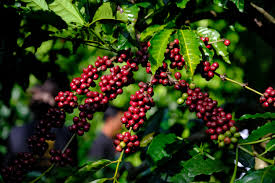
A major turning point came in 1875, when Vietnamese coffee was introduced to Buon Ma Thuot in the Central Highlands. The area’s fertile red basalt soil and favorable climate proved ideal for coffee cultivation, allowing Vietnamese coffee to thrive and expand rapidly.
After years of war, the Vietnamese coffee industry faced serious challenges. Damaged infrastructure and limited investment slowed production and growth across the country. It was not until Vietnam’s economic reforms and market opening in 1986 that Vietnamese coffee began to recover.
Since then, Vietnamese coffee has grown into one of the country’s most important agricultural products, evolving from a colonial experiment into a cultural symbol deeply embedded in everyday life. Today, Vietnamese coffee is not only a global export but also a defining part of Vietnam’s identity.
What makes Vietnamese coffee so different?
From Farm to Roast: How Vietnamese Coffee Is Grown and Hand-Roasted
The journey of Vietnamese coffee often begins on small-scale farms, typically ranging from one to five acres, where cultivation remains deeply hands-on and closely tied to the land. Instead of large industrial plantations, much of Vietnamese coffee is grown through careful, sustainable farming practices passed down through generations.

Coffee seedlings are first raised in nurseries before being planted beneath the shade of fruit trees such as avocado, durian, and jackfruit. This natural canopy protects young coffee plants from harsh sunlight while creating a diversified ecosystem that also provides additional income for farmers. Throughout the growing cycle, farmers regularly weed the soil, selectively prune aging branches, and rely on organic fertilizers to keep the trees healthy and nutrient-rich.
When it comes to pest control, Vietnamese coffee farmers favor manual removal and natural deterrents over chemical solutions. Harvesting is equally meticulous. Instead of stripping branches all at once, farmers practice selective hand-picking, choosing only fully ripe coffee cherries. This labor-intensive approach plays a crucial role in preserving the quality and depth of Vietnamese coffee flavors.
Once harvested, the cherries are processed using different methods, each shaping the final taste of Vietnamese coffee in distinct ways. The most common approach is wet processing, where cherries are de-pulped, fermented to remove mucilage, and then sun-dried until they reach an ideal moisture level of around 10 to 12 percent. In more humid regions, semi-washed methods are preferred, allowing beans to retain part of their mucilage during drying, which creates a protective layer and results in heavier, richer flavors.
Traditional natural processing is still widely used as well. Whole cherries are laid out under the sun for up to three weeks, fermenting naturally inside their skins. This method produces Vietnamese coffee with bold, complex profiles, often featuring notes of ripe fruit, chocolate, or even wine.
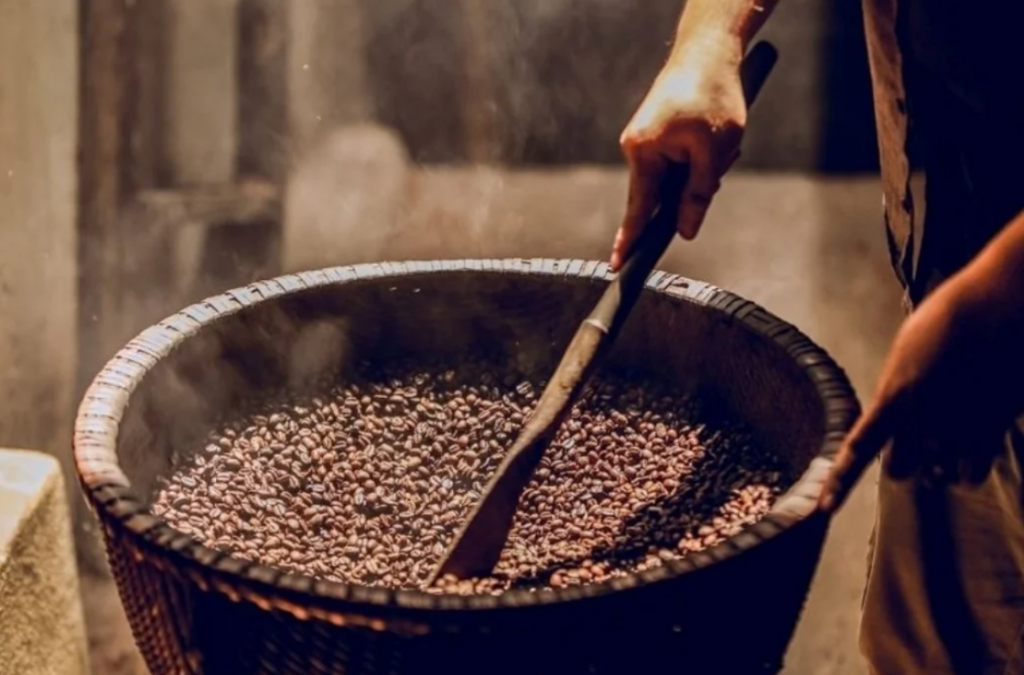
From careful cultivation to traditional processing and hand-roasting, every step reflects why Vietnamese coffee feels deeply rooted in craft rather than mass production.
Vietnamese Coffee Culture: A Daily Ritual, Not a Trend
As Vietnamese coffee grew into a vital part of the national economy, a vibrant coffee culture naturally formed around it. In cities like Ho Chi Minh City and Hanoi, local coffee shops have become attractions in their own right, drawing both residents and foreign visitors who want to experience everyday Vietnamese life.
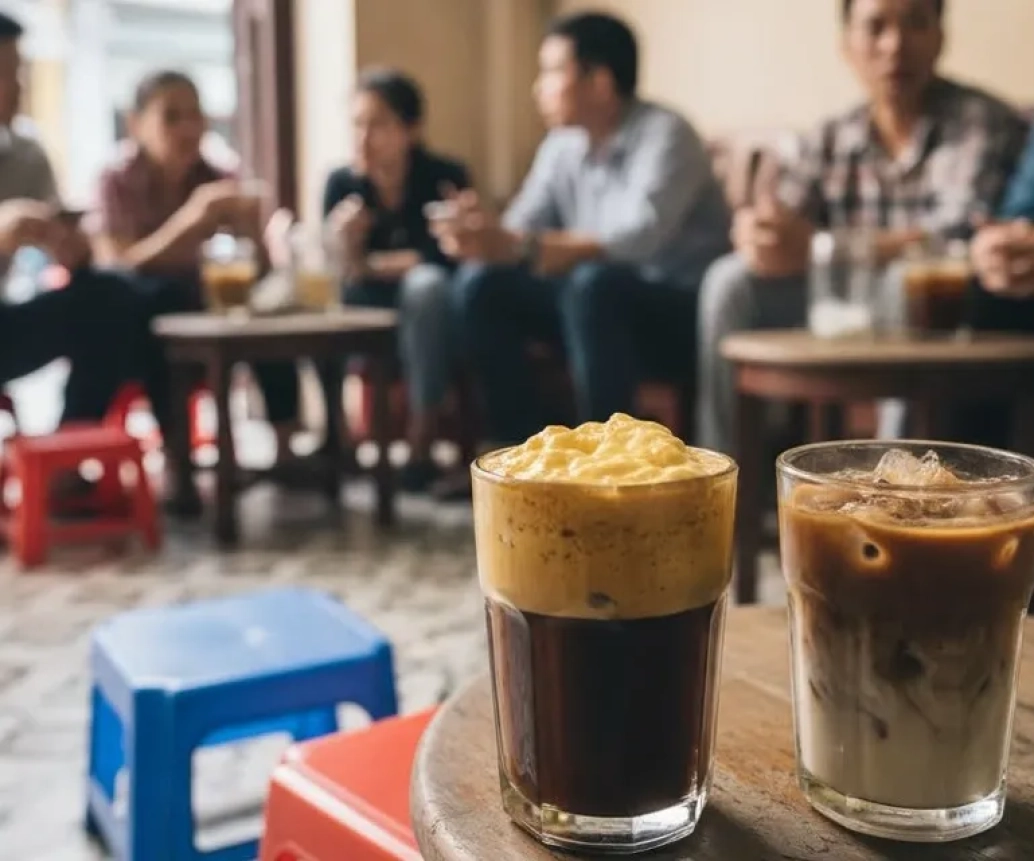
In Vietnam, coffee shops are more than places to grab a drink. They function as social hubs, informal workspaces, and meeting points, where people gather to talk, work, or simply watch the city pass by. Sidewalk coffee stalls, known for their low plastic stools and unpretentious setting, are especially iconic. A glass of Vietnamese iced coffee with condensed milk or a bạc xỉu enjoyed on the pavement is not a special occasion, but an ordinary moment woven into daily routines.
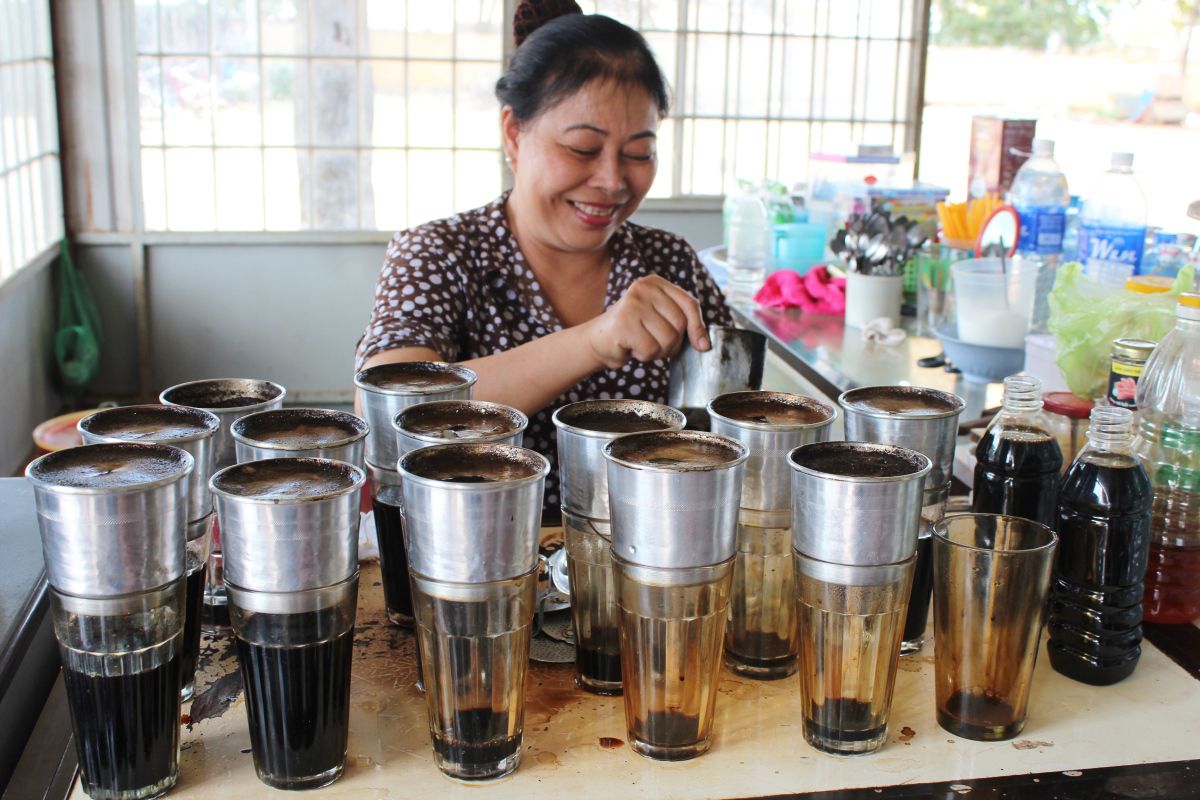
Freshly roasted and ground Vietnamese coffee is often prepared on the spot, and takeaway cups are a common sight on busy streets. Whether at a roadside stall or a small neighborhood café, the focus is not speed but familiarity and habit.
Vietnamese people drink coffee in the morning, at noon, and well into the evening. Seeing locals enjoying Vietnamese coffee at almost any hour is entirely normal. In fact, coffee is less about caffeine and more about connection. The phrase “đi uống cà phê”, which literally means “to go out for a coffee,” is commonly used as another way of saying let’s have a chat. Conversations are often accompanied by small snacks like sunflower seeds, casually nibbled while stories unfold.
For foreign tourists, this everyday intimacy is what makes Vietnamese coffee culture unforgettable. It is not driven by trends or seasonal menus, but by habit, community, and the simple pleasure of sitting together over a shared cup.
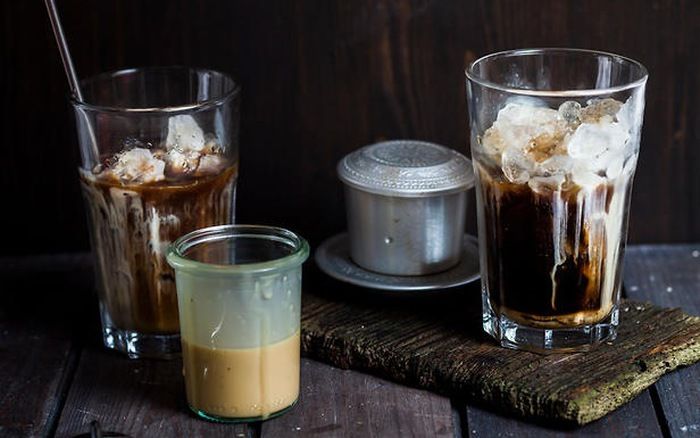
Must-Try Vietnamese Coffees for First-Time Visitors
Cà phê phin - Drip-filter coffee
The most traditional way to prepare Vietnamese coffee is by using a small metal drip filter known as the phin. Simple in design but rich in meaning, this brewing method produces a slow, concentrated coffee extract that defines the character of Vietnamese coffee.
After being roasted, often with a small amount of butter to enhance depth and aroma, coffee beans are finely ground and placed into the phin. Hot water is then poured over the grounds, allowing the coffee essence to drip steadily into the cup below. The process takes several minutes, creating a moment of pause rather than speed. When enough coffee has collected, drinkers can add sugar or condensed milk before gently stirring and enjoying the result.
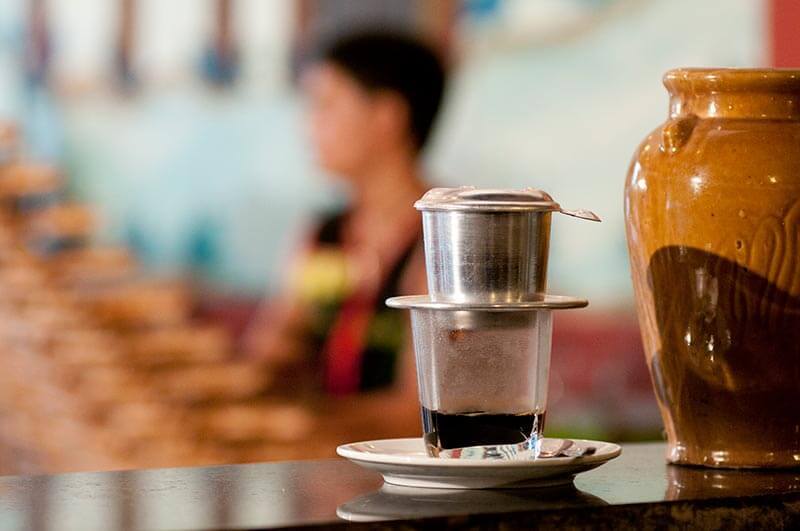
Beyond technique, cà phê phin is deeply rooted in Vietnamese culture. The quiet rhythm of dripping coffee mirrors daily life in Vietnam, where waiting is not seen as wasted time but as part of the experience. Sitting with a cup of Vietnamese coffee as it slowly brews has become a familiar ritual, woven into mornings, conversations, and moments of reflection.
For many locals, cà phê phin is not just a way to make coffee, but an expression of patience, habit, and identity. It remains an essential part of Vietnam’s cultural landscape, reminding both locals and foreign visitors that Vietnamese coffee is meant to be savored, not rushed.
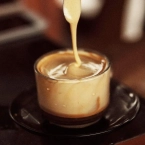
Vietnamese hot egg coffee
Vietnamese egg coffee was first created in 1946 by Nguyễn Văn Giảng, who developed the original recipe during a time when fresh milk was scarce. What began as an improvised solution soon became one of the most iconic expressions of Vietnamese coffee culture, especially in Hanoi, where the drink remains deeply rooted today.
Vietnamese egg coffee has a thick, velvety texture that sets it apart from conventional coffee drinks. Rather than drinking it quickly, locals recommend stirring it gently and enjoying it slowly with a spoon. This unhurried approach allows the layers of flavor to unfold, turning each sip into a small ritual rather than a rush.
At first glance, many visitors assume the egg flavor will overpower the coffee. In reality, the experience is surprisingly harmonious. The creamy egg foam blends seamlessly with the bold strength of Vietnamese coffee, creating a delicate balance that feels rich without being heavy, sweet without losing depth.
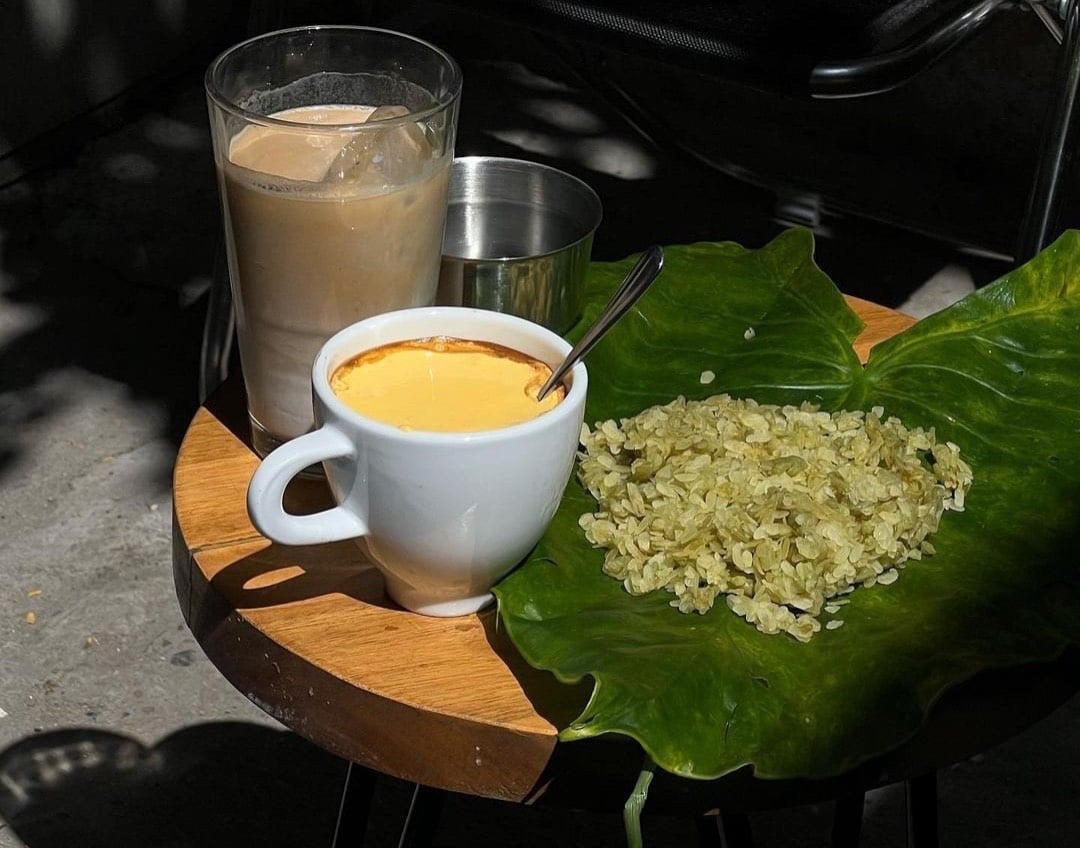
For foreign tourists, Vietnamese hot egg coffee often becomes an unexpected highlight. More than just a novelty, it reflects the creativity and adaptability of Vietnamese coffee culture. Trying egg coffee at least once is widely considered a must-do experience for anyone visiting Hanoi
Salt coffee
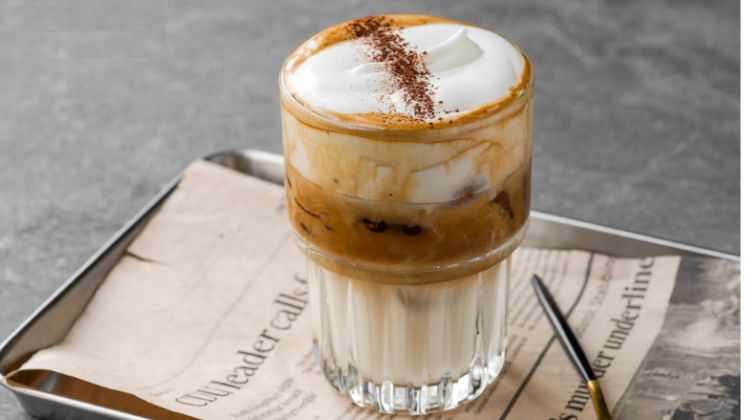
Vietnamese salt coffee originated in Hue, the former imperial capital known for its refined cuisine and subtle flavors. Much like the city itself, this coffee reflects a quiet elegance and a deep sense of place, making it one of the most distinctive regional expressions of Vietnamese coffee culture.
At first, the idea of adding salt to coffee may sound unusual to foreign visitors. Yet the combination is surprisingly harmonious. A small amount of salt, blended with condensed milk, gently softens the bitterness of Vietnamese coffee while enhancing its natural depth. Rather than making the drink salty, the seasoning creates balance, allowing both sweetness and bitterness to coexist without overpowering each other.
Read this next
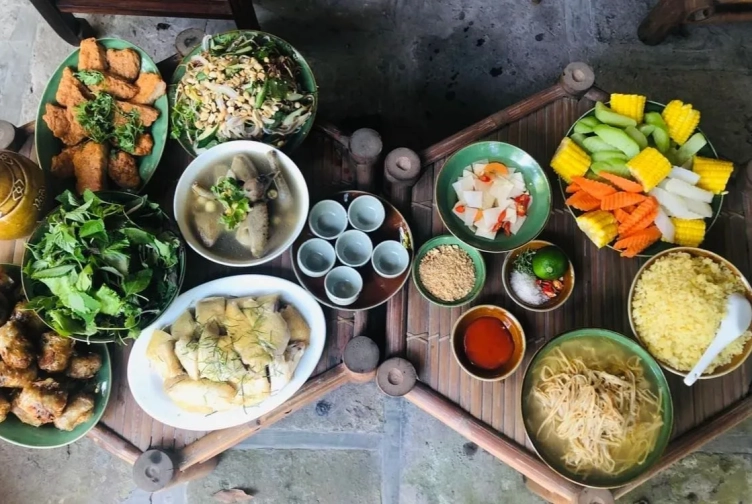
BAT TRANG FEAST - A CULTURAL & CULINARY EXPERIENCE
Quick Contact
Reviews from Customers
Please take a look at the following reviews from our customers
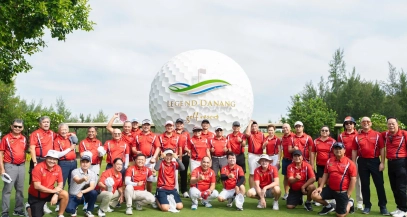
Mr Clarence- Travel President, Philippines
Vietnam | 01/14/2026
Luxury Golf Tour in Da Nang, 5days
Hi Jimy, We returned home safely today. I would like to say a special thanks to you and your team ACT TRAVEL. We really loved and satisfied with your pro services. We do love these golf courses in Da Nang. They were amazing and fantastic quality and view. We will come back here soon. I am looking foward to working together with you soon! Best regards, Mr Clarence- Travel President, Philippines
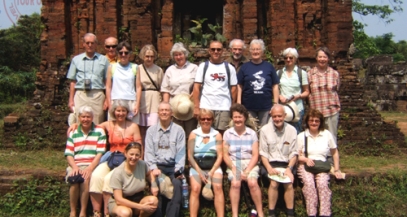
Mr. Jean Pie
United Kingdom | 10/13/2014
RAM Holidays from UK (Impressive of Vietnam 15 days)
Mr. Jean Pie – Tour Leader said “Thank you very much for doing such an excellent job on the tour. You went above and beyond for all of us and we really appreciate all your hard work. Thank you for your calm leadership through the “HAIYAN” storm, you really help us through it. Thanks to ACT Travel, we had a wonderful time and unforgettable memory”.
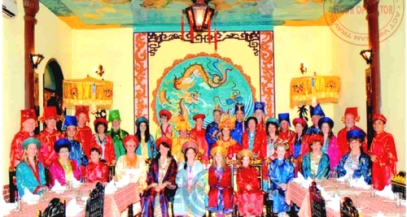
Mr. Navy Vang
Australia | 10/13/2014
Mandarin Group from Australia (Charming Vietnam 10 Days)
Mr. Navy Vang - Tour manager from Australia said: " Wow what a great vacation !. Thank you Mr Kelvin Pham so much. We are very grateful for everything you did for us and everything went very well. We’re safe and sound back home thinking about the joy we experienced. I've already decided that when I choose to travel again, I will go through your company. I also highly recommend ACT Travel Travel to any organization looking for a great agency. Kind regards
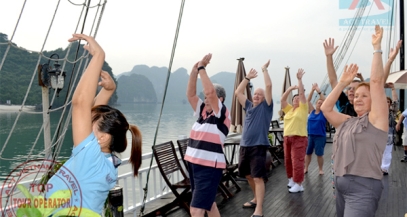
Mr. Ricardo - Program Manager
Brazil | 03/31/2014
DOMINGOS Group from Brazin (IMPRESSIVE VIETNAM 17 DAYS.)
Mr. Ricardo - Program Manager said “Dear Kelvin, Thanks you very much for your well arrangement. Thank you for the updated weather information. I have traveled a lot as a geography professor and dealt with many tour operators. You are one of the best tour operators who can take so much concern and care about customers. I must congratulate you on your good organization and care to minute points. Thanks for the mobile phone you provided to us and SIM cards you provide to all of us (29 cards, I know they are not cheap), it was an excellent convenience for us. It was a brilliant idea and we really appreciated knowing there was someone we could contact at any time should we need to. We love your welcome dinner at Binh Quoi village, where we enjoyed rich traditional southern Vietnamese cuisine with musical accompaniment provided by local folk musicians. We were very interested in the traditional Vietnamese wedding in Binh Quoi and we never forget the “Gong show” in Buon Me Thuot. Once again, thank you very much for great job”.
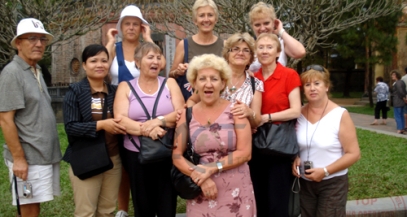
Ms. Barbara Betts
Australia | 10/13/2014
Orbiz Group from Australia (Discover Vietnam and Cambodia 15 Days)
Ms. Barbara Betts - Escorted guide from Australia said: " Dear Kelvin I want to take this opportunity to thanks you for providing us with superb guides in Vietnam and Cambodia. Well, Manh - tour guide in Vietnam is very professional and knowledegable and you can feel very safe in allowing him to guide your tours. The drivers you provided were also friendly, capable and they too did everything for the group to be happy Thanks you Kelvin so far for a fabulous tour.
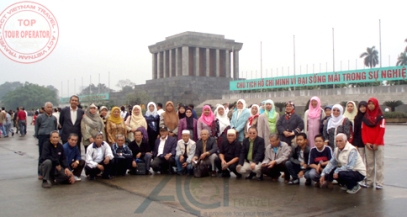
Mr. Dany
Malaysia | 10/13/2014
Teachers Group From Malaysia ( Hanoi – Halong bay – Ninh Binh 6 Days )
Mr. Dany - Escorted guide from Malaysia said: " Hi Kelvin Pham, Thanks for arranging a great trip. I wanted to let you know how pleased we were with the itinerary and all the arrangements you organized. Everything worked extremely well and went exactly as planned. The guides were very knowledgable. My favorite site was cruising on the Halong bay. The hotels were great as they were located at the heart of city. We did enjoy eating at the local restaurants as arranged by ACT. The foods were sometimes unusual, but still tasty. I loved “Pho Hanoi“ very much and I would try to cook at my home… Thanks again
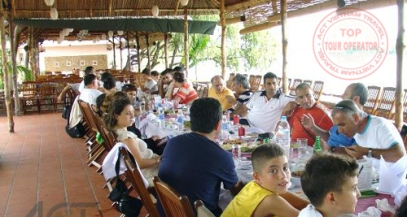
Mr. Ohad
Turkey | 10/13/2014
Istmaz Group from Turkey (Saigon - Mekong Delta - Cambodia - Angkor Wat 12 Days).
Mr. Ohad - The Tour Leader said: " On behalf of the entire group, I just wanted to thank both of you for all your help and outstanding execution in making our trip memorable! The entire group could not say enough great things about how well organized & smooth everything went. I really enjoyed Vietnam & Travel. Both tour guides were terrific and Angkor Wat was just amazing! All your arrangements worked out very smoothly and I consider the pilgrimage to be a great success ".
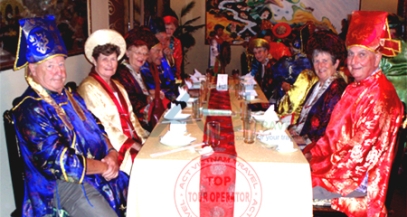
Mr. Steven
United Kingdom | 10/13/2014
Ponila Group from UK (Higlight of Vietnam 16 Days).
Mr. Steven - Escorted guide from UK said: Our trip to Vietnam was overall a positive one. We were very happy with the level of accommodation and quality of the food at all times. We love Hanoi but Ha Long Bay is certainly one of the most beautiful places we have ever seen; the old city in Hoi An has great potential becoming a world-class tourist attraction; and citadel in Hue embodies a great deal of historic signifance, we have a lot of photos in Hue. Cruising on Mekong Delta river was so interesting and Dalat highland was very romantic. Finally, please give our thanks to the tour guides Mrs Phuong, Mr Ky and the drivers who accompanied us throughout, always accommodating to the group's requests and last minute changes in itinerary. We won't forget you!
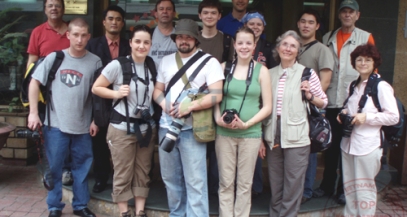
Mr. Barrick
United States | 10/13/2014
Global Alliane Group From USA (Discover Vietnam – Cambodia 10 Days)
Mr. Barrick - the Tour Leader said: " Dear ACT Team,This is to thank you, and all of those who organised and guided our visit to Vietnam & Cambodia, for a superb holiday. We had a trip of a life time. Everything we were promised happened and more. We brought back so many memories and stories. The restaurants were wonderful and the hotels were great. Mr Nguyen had such a lot of knowledge he shared with us, and had a great sense of humor. He even knew of some Cambodian slang words. The whole trip will be something we will always remember and share with our family and friends. Thanks for all your help in making it so enjoyable. We shall tell all our friends traveling to Indochina that they must use ACT Travel's services !! ".
Partner





ACT VIETNAM TRAVEL
No 3, Alley 25, Dich Vong Hau Str, Cau Giay Dist, Hanoi Capital, Vietnam
sales@vietnamtraveland.com - jimy@vietnamtraveland.com - vip@vietnamtraveland.com
License: 01-639/2015/CDLQGVN-GPLHQT
Company
Term of use
Payment Methods


