

EXPLORING NINH BINH - A JOURNEY THROUGH VIETNAM’S MOST BREATHTAKING LANDSCAPES
Content []
Exploring Ninh Binh - Vietnam Timeless Landscape of Culture and Nature
Exploring Ninh Binh: An Essential Guide for First-Time Visitors
Where is Ninh Binh?
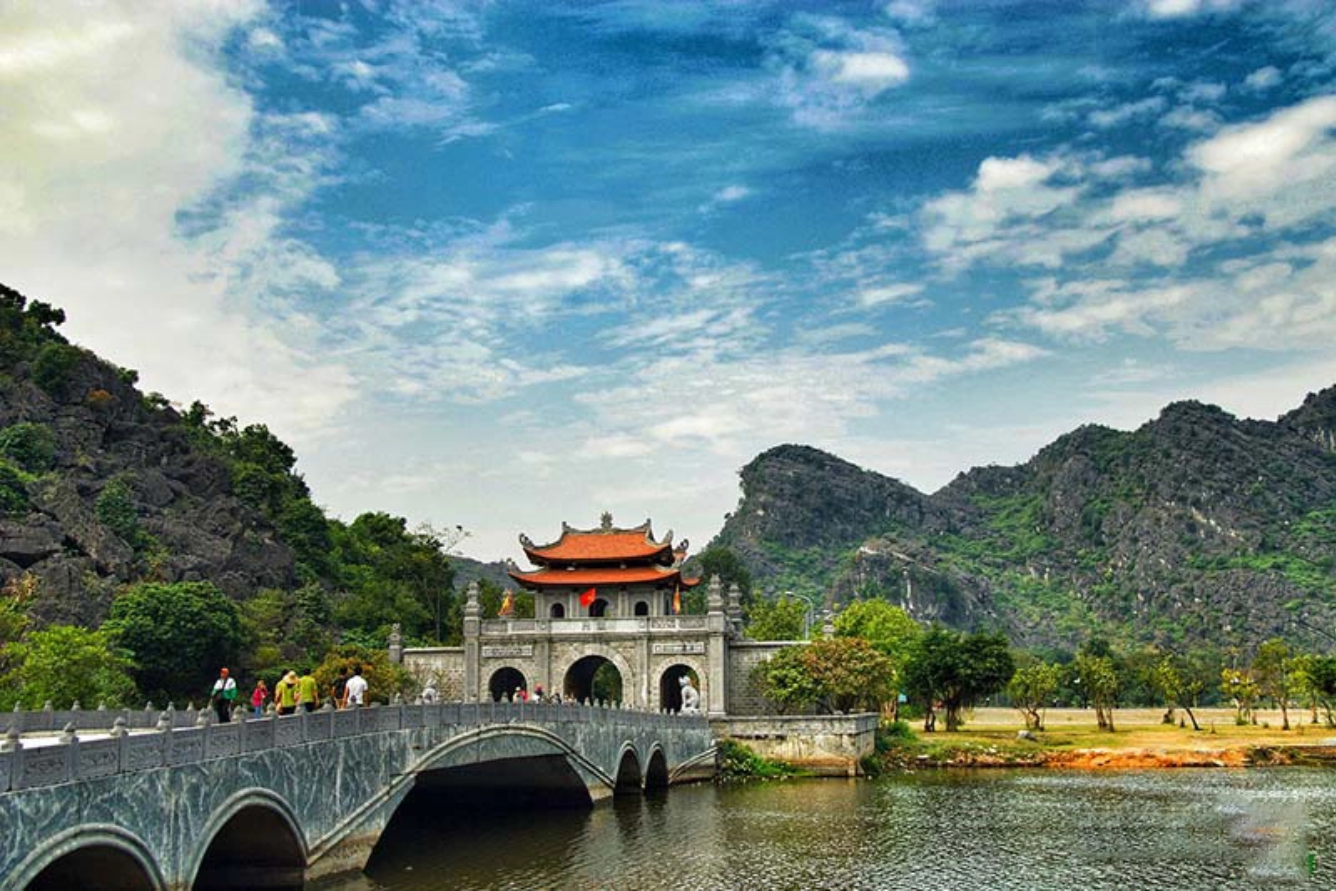
Located in northern Vietnam, Ninh Binh lies approximately 90 kilometers south of Hanoi, making it an easy and popular extension for travelers visiting the capital. Thanks to its convenient distance, many visitors choose to combine a trip to Ninh Binh with their Hanoi itinerary. The region is uniquely shaped by the harmonious blend of limestone mountains, fertile plains, and diverse ecosystems, creating a striking natural landscape that sets Ninh Binh apart as one of Vietnam’s most scenic destinations.
Planning Your Visit: Weather and the Best Time to Go
Like Hanoi, Exploring Ninh Binh means experiencing a humid tropical climate with four clearly defined seasons, each revealing a different side of the region’s natural beauty. Spring, from January to March in the lunar calendar, is one of the most enjoyable periods for exploring Ninh Binh, thanks to its warm and pleasant weather. This season is ideal for traditional festivals, when fresh air, mild temperatures, and colorful cultural celebrations create memorable travel experiences.
From April to June, summer brings hot and humid conditions, often accompanied by sudden rain showers that refresh the landscape and enhance the dramatic limestone scenery. During this time, exploring Ninh Binh offers striking views of lush valleys and karst formations shaped by seasonal rains. From July to October, autumn arrives with cooler air, clear blue skies, and soft sunlight, making it a favorite season for outdoor activities and photography.
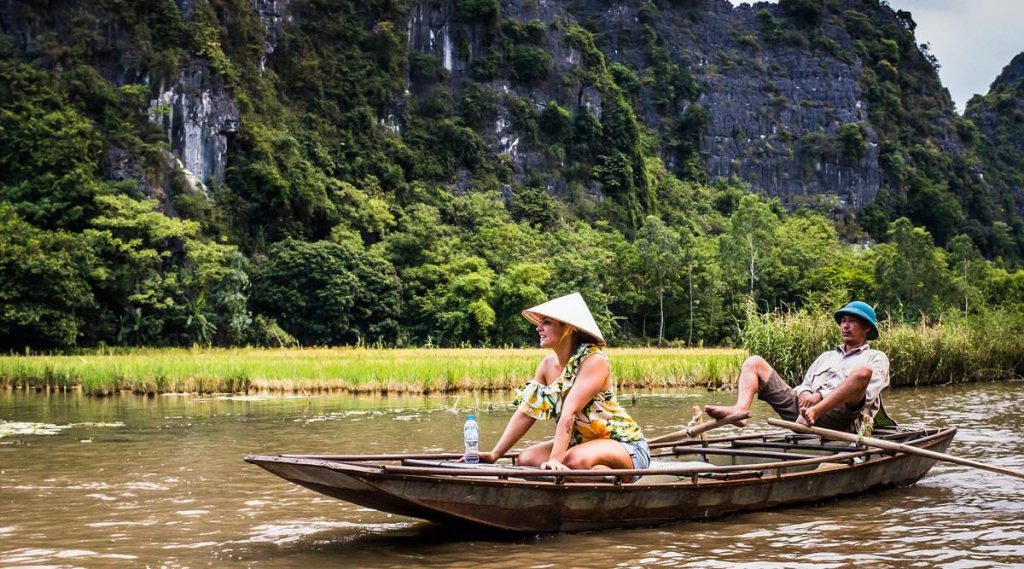
Autumn is also when golden rice fields stretch across the countryside and lotus ponds bloom, offering some of the most picturesque moments for exploring Ninh Binh in a calm and peaceful atmosphere. Towards the end of the year, winter brings drier and colder weather, with temperatures sometimes dropping to 7–10°C. The crisp air and quiet surroundings give exploring Ninh Binh a distinctive charm, appealing to travelers seeking a serene and contemplative journey through northern Vietnam.
Exploring Ninh Binh: An Essential Guide for First-Time Visitors
Cuc Phuong National Park in Ninh Binh
Established in 1962, Cuc Phuong National Park is the oldest national park in Vietnam and a true sanctuary for nature lovers, eco-travelers, and wildlife enthusiasts. Spanning more than 22,000 hectares, the park protects a rare limestone tropical forest ecosystem, home to over 2,200 plant species, 135 species of mammals, and more than 330 species of birds. Among them is the critically endangered Delacour’s langur, a unique primate found only in Vietnam, making Cuc Phuong an important site for biodiversity conservation.

The best time to explore Cuc Phuong National Park is from September to December, when cooler weather makes forest trails easier to navigate and wildlife is more active. From April to May, the park reveals one of its most magical moments during butterfly season, as thousands of white butterflies fill the air, transforming the forest into an enchanting natural spectacle that leaves a lasting impression on visitors.

Trang An Scenic Landscape Complex
Recognized in 2014 as Vietnam’s first site inscribed on UNESCO’s World Heritage List as a mixed natural and cultural heritage, Trang An Scenic Landscape Complex is one of the most iconic highlights of exploring Ninh Binh. The area is defined by a spectacular network of winding rivers, towering limestone mountains, and mysterious cave systems carved by time. The best way to experience Trang An is by boat, gently gliding along calm waterways while immersing yourself in a serene landscape that captures the authentic charm and natural beauty of Vietnam. Often referred to as “Ha Long Bay on land,” Trang An is an unmissable destination for travelers drawn to both nature and history.
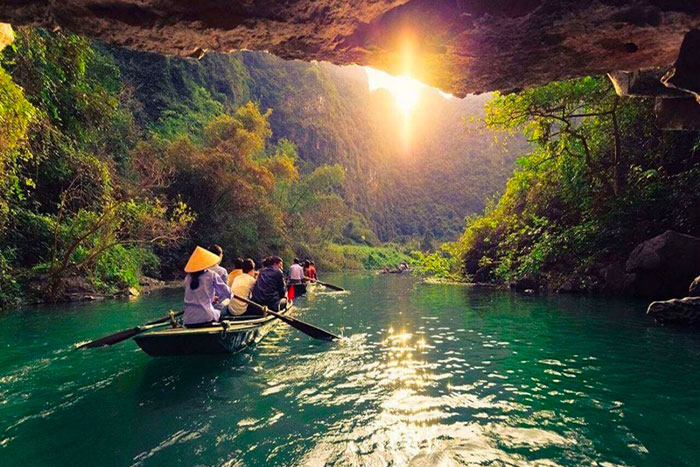
Each season brings a distinct atmosphere to Trang An. In spring, from January to March in the lunar calendar, visitors can join lively traditional festivals such as the Trang An Festival, held in honor of Saint Quy Minh Dai Vuong, featuring a rich blend of cultural and spiritual activities. Summer, from April to June, bathes the rivers and green valleys in bright sunlight, while blooming lotus flowers add soft pink hues to the landscape, creating postcard-perfect scenery. From July to September, autumn ushers in a quieter mood with gentle breezes and mellow light, highlighted by the rare sight of fruit ripening on the thousand-year-old persimmon tree at Phu Khanh Pagoda. In winter, from October to December, ancient temples emerge through early morning mist, while red water lilies and white reeds along the riverbanks lend an elegant, tranquil beauty to the peaceful surroundings.
Mua Caves
Often called the “rooftop of Ninh Binh,” Mua Caves is a favorite destination for hikers and photography lovers seeking sweeping panoramic views. Located within the UNESCO-listed Trang An Scenic Landscape Complex, this iconic site rewards visitors with one of the most spectacular vantage points in the region. A climb of nearly 500 stone steps leads to the summit of Ngoa Long Mountain, where a majestic dragon statue rests. From the top, the landscape of limestone peaks, winding rivers, and vast plains unfolds in every direction, offering some of the best views of Ninh Binh’s natural scenery.
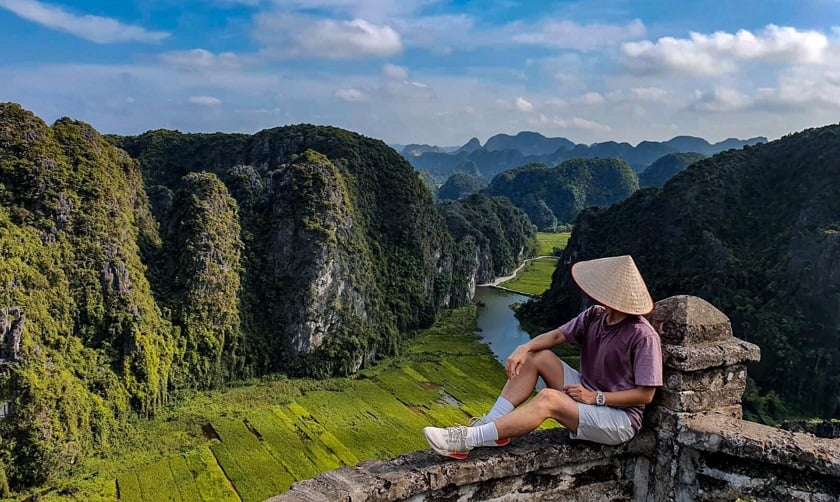
The most beautiful time to explore Mua Caves is during the ripe rice season in May and June, when golden fields stretch endlessly below, creating a truly unforgettable scene. Spring, from February to April, brings mild weather and lush greenery, making it ideal for hiking and sightseeing. In late May and early June, summer reaches its visual peak as the rice fields glow under the sun, delivering the most breathtaking views from the summit. Autumn, from September to October, offers cooler temperatures and minimal rainfall, perfect for comfortable exploration and photography. Winter, from November to January, is drier and occasionally foggy, lending a quiet, serene atmosphere, though the landscape appears more subdued.
Read this next


Dong Van Stone Plateau recognised as world geopark
Quick Contact
Reviews from Customers
Please take a look at the following reviews from our customers

Mr Clarence- Travel President, Philippines
Vietnam | 01/14/2026
Luxury Golf Tour in Da Nang, 5days
Hi Jimy, We returned home safely today. I would like to say a special thanks to you and your team ACT TRAVEL. We really loved and satisfied with your pro services. We do love these golf courses in Da Nang. They were amazing and fantastic quality and view. We will come back here soon. I am looking foward to working together with you soon! Best regards, Mr Clarence- Travel President, Philippines
Mr. Jean Pie
United Kingdom | 10/13/2014
RAM Holidays from UK (Impressive of Vietnam 15 days)
Mr. Jean Pie – Tour Leader said “Thank you very much for doing such an excellent job on the tour. You went above and beyond for all of us and we really appreciate all your hard work. Thank you for your calm leadership through the “HAIYAN” storm, you really help us through it. Thanks to ACT Travel, we had a wonderful time and unforgettable memory”.
Mr. Navy Vang
Australia | 10/13/2014
Mandarin Group from Australia (Charming Vietnam 10 Days)
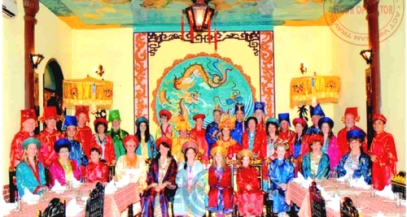
Mr. Navy Vang - Tour manager from Australia said: " Wow what a great vacation !. Thank you Mr Kelvin Pham so much. We are very grateful for everything you did for us and everything went very well. We’re safe and sound back home thinking about the joy we experienced. I've already decided that when I choose to travel again, I will go through your company. I also highly recommend ACT Travel Travel to any organization looking for a great agency. Kind regards
Mr. Ricardo - Program Manager
Brazil | 03/31/2014
DOMINGOS Group from Brazin (IMPRESSIVE VIETNAM 17 DAYS.)
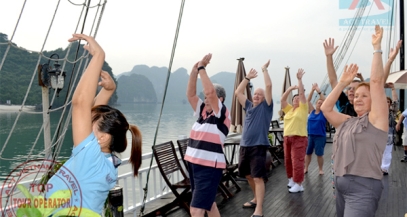
Mr. Ricardo - Program Manager said “Dear Kelvin, Thanks you very much for your well arrangement. Thank you for the updated weather information. I have traveled a lot as a geography professor and dealt with many tour operators. You are one of the best tour operators who can take so much concern and care about customers. I must congratulate you on your good organization and care to minute points. Thanks for the mobile phone you provided to us and SIM cards you provide to all of us (29 cards, I know they are not cheap), it was an excellent convenience for us. It was a brilliant idea and we really appreciated knowing there was someone we could contact at any time should we need to. We love your welcome dinner at Binh Quoi village, where we enjoyed rich traditional southern Vietnamese cuisine with musical accompaniment provided by local folk musicians. We were very interested in the traditional Vietnamese wedding in Binh Quoi and we never forget the “Gong show” in Buon Me Thuot. Once again, thank you very much for great job”.
Ms. Barbara Betts
Australia | 10/13/2014
Orbiz Group from Australia (Discover Vietnam and Cambodia 15 Days)
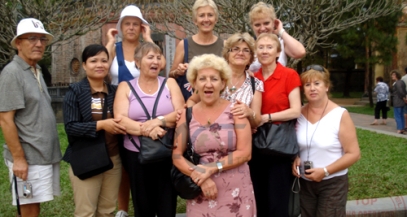
Ms. Barbara Betts - Escorted guide from Australia said: " Dear Kelvin I want to take this opportunity to thanks you for providing us with superb guides in Vietnam and Cambodia. Well, Manh - tour guide in Vietnam is very professional and knowledegable and you can feel very safe in allowing him to guide your tours. The drivers you provided were also friendly, capable and they too did everything for the group to be happy Thanks you Kelvin so far for a fabulous tour.
Mr. Dany
Malaysia | 10/13/2014
Teachers Group From Malaysia ( Hanoi – Halong bay – Ninh Binh 6 Days )
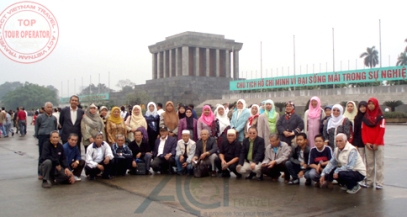
Mr. Dany - Escorted guide from Malaysia said: " Hi Kelvin Pham, Thanks for arranging a great trip. I wanted to let you know how pleased we were with the itinerary and all the arrangements you organized. Everything worked extremely well and went exactly as planned. The guides were very knowledgable. My favorite site was cruising on the Halong bay. The hotels were great as they were located at the heart of city. We did enjoy eating at the local restaurants as arranged by ACT. The foods were sometimes unusual, but still tasty. I loved “Pho Hanoi“ very much and I would try to cook at my home… Thanks again
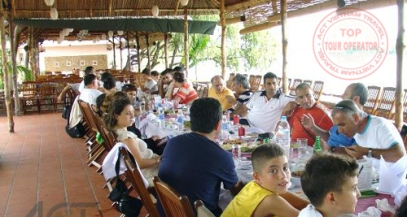
Mr. Ohad
Turkey | 10/13/2014
Istmaz Group from Turkey (Saigon - Mekong Delta - Cambodia - Angkor Wat 12 Days).
Mr. Ohad - The Tour Leader said: " On behalf of the entire group, I just wanted to thank both of you for all your help and outstanding execution in making our trip memorable! The entire group could not say enough great things about how well organized & smooth everything went. I really enjoyed Vietnam & Travel. Both tour guides were terrific and Angkor Wat was just amazing! All your arrangements worked out very smoothly and I consider the pilgrimage to be a great success ".
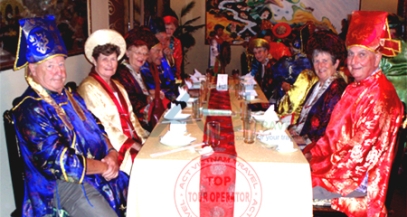
Mr. Steven
United Kingdom | 10/13/2014
Ponila Group from UK (Higlight of Vietnam 16 Days).
Mr. Steven - Escorted guide from UK said: Our trip to Vietnam was overall a positive one. We were very happy with the level of accommodation and quality of the food at all times. We love Hanoi but Ha Long Bay is certainly one of the most beautiful places we have ever seen; the old city in Hoi An has great potential becoming a world-class tourist attraction; and citadel in Hue embodies a great deal of historic signifance, we have a lot of photos in Hue. Cruising on Mekong Delta river was so interesting and Dalat highland was very romantic. Finally, please give our thanks to the tour guides Mrs Phuong, Mr Ky and the drivers who accompanied us throughout, always accommodating to the group's requests and last minute changes in itinerary. We won't forget you!
Mr. Barrick
United States | 10/13/2014
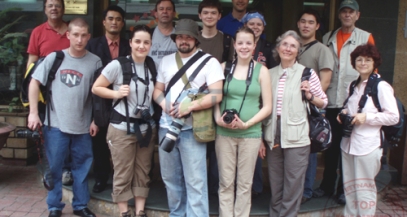
Global Alliane Group From USA (Discover Vietnam – Cambodia 10 Days)
Mr. Barrick - the Tour Leader said: " Dear ACT Team,This is to thank you, and all of those who organised and guided our visit to Vietnam & Cambodia, for a superb holiday. We had a trip of a life time. Everything we were promised happened and more. We brought back so many memories and stories. The restaurants were wonderful and the hotels were great. Mr Nguyen had such a lot of knowledge he shared with us, and had a great sense of humor. He even knew of some Cambodian slang words. The whole trip will be something we will always remember and share with our family and friends. Thanks for all your help in making it so enjoyable. We shall tell all our friends traveling to Indochina that they must use ACT Travel's services !! ".
Partner





ACT VIETNAM TRAVEL
No 3, Alley 25, Dich Vong Hau Str, Cau Giay Dist, Hanoi Capital, Vietnam
sales@vietnamtraveland.com - jimy@vietnamtraveland.com - vip@vietnamtraveland.com
License: 01-639/2015/CDLQGVN-GPLHQT
Company
Term of use
Payment Methods


