
Inside Hanoi’s Construction Boom: Why the City Is Transforming for the Better
Content []
Inside Hanoi’s Construction Boom: Why the City Is Transforming for the Better
What Is Happening to Hanoi These Days?
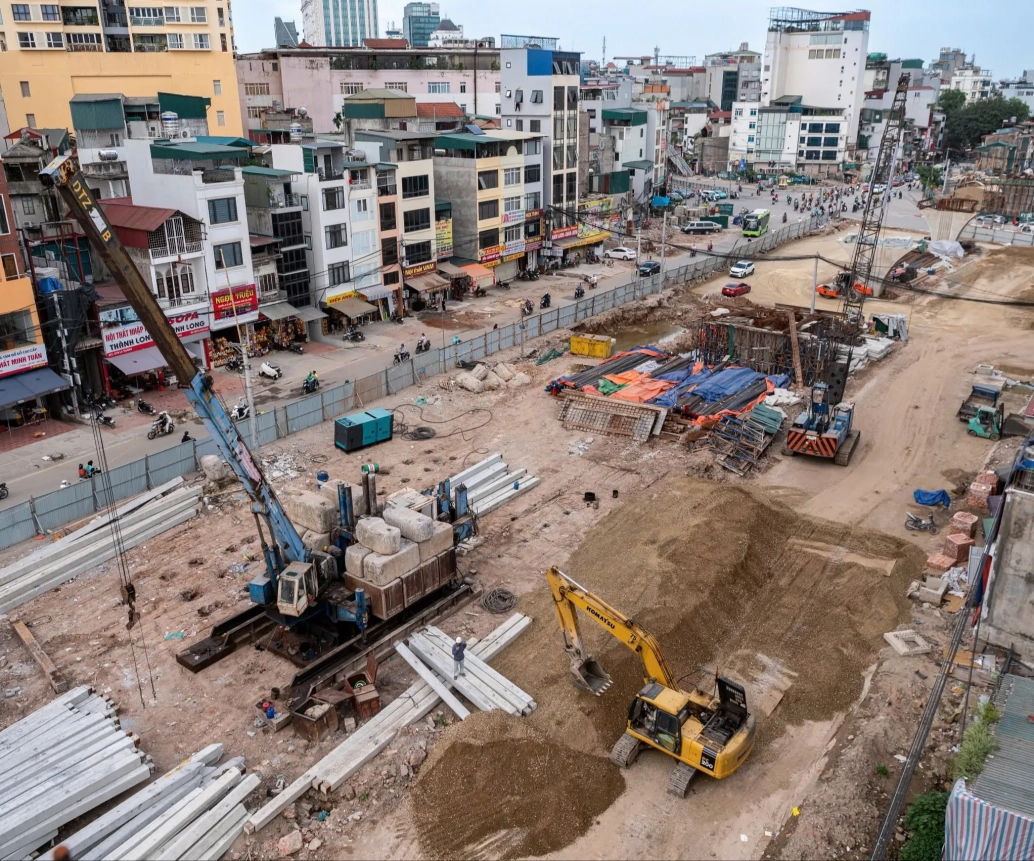
Recently, many visitors arriving in Hanoi quickly notice a different side of the capital. From suburban districts to the city center, numerous streets are surrounded by construction fences as road surfaces are opened, sidewalks upgraded, and drainage systems improved. This widespread activity has become one of the most visible signs of the current Hanoi construction boom, reshaping many parts of the city at the same time.
With multiple projects happening simultaneously, some streets temporarily appear messy with soil piles, barriers narrowing walking paths, and construction vehicles moving through busy areas. Dust and traffic congestion can become more noticeable, especially during peak hours when local commuters and visitors share the same roads. As a result, both daily life for residents and the experience of traveling in Hanoi can occasionally feel more challenging than usual.
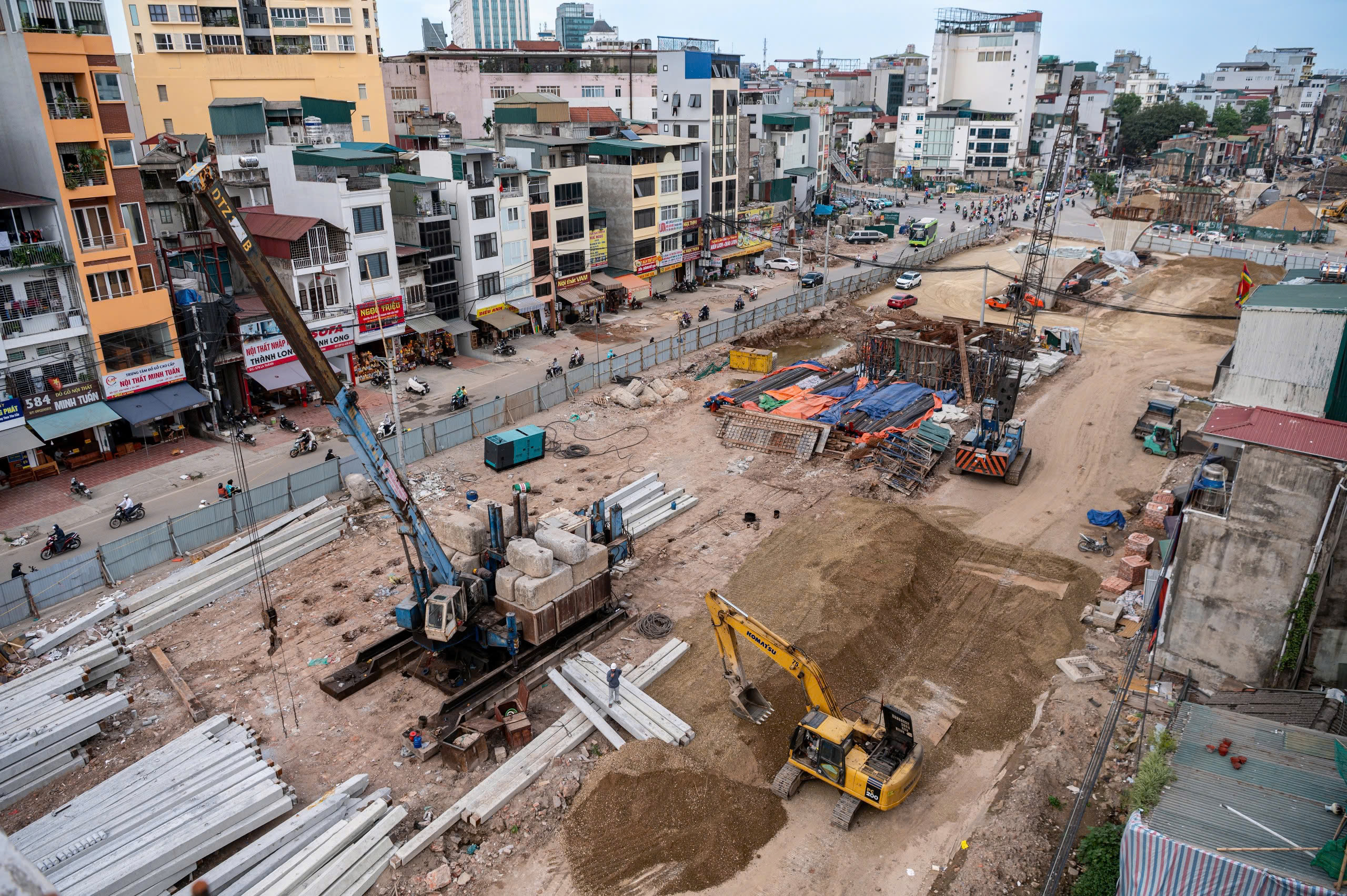
However, behind this short-term disruption lies a clear direction for the city. The ongoing Hanoi construction and street renovation efforts signal a broader city transformation aimed at improving urban infrastructure and making the capital more resilient in the long run. While the changes may look chaotic today, they also reflect a city actively working to become cleaner, more organized, and better prepared for the future.
Why Hanoi’s Construction Boom Could Transform the City?
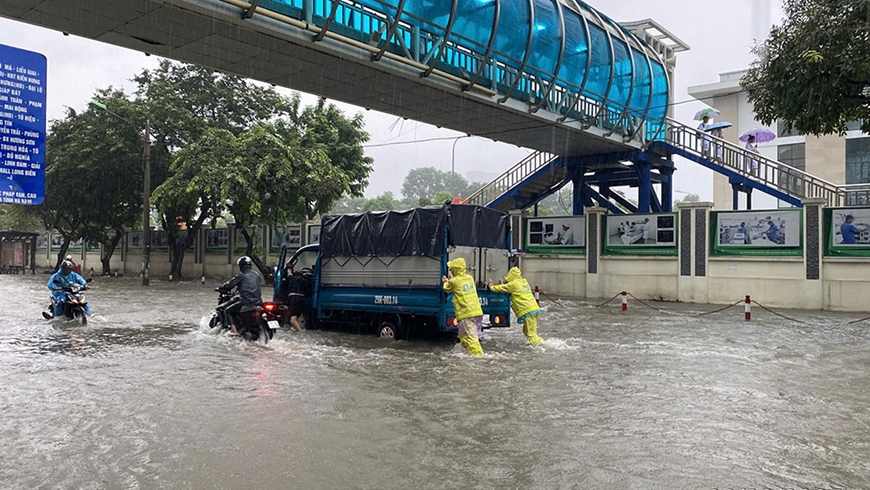
Just a year ago, scenes like this were not unusual in Hanoi. A single heavy downpour could quickly turn streets into temporary canals, leaving cars stranded and pedestrians wading through water. Seasonal flooding has long been one of the biggest urban challenges for the capital, disrupting daily life and shaping how visitors experience the city during the rainy season.
The surge of construction projects happening across Hanoi today is largely driven by a major effort to upgrade the city’s drainage and wastewater infrastructure. By expanding drainage networks, improving stormwater management, and modernizing treatment systems, the city aims to reduce flooding during heavy rains while improving overall urban resilience.
Behind these large-scale projects lies a set of ambitious goals: ensuring that sudden summer storms no longer interrupt a traveler’s food tour or evening café visit, restoring polluted waterways such as To Lich River and Lu River by collecting wastewater for proper treatment, and ultimately building a greener, more sustainable capital that can welcome both residents and international visitors with better infrastructure and a cleaner urban environment.
Traveling in Hanoi During Construction: What Visitors Should Know
Traveling in Hanoi during the current construction period may require a little flexibility, but with a few simple tips, visitors can still enjoy the city comfortably. Traffic tends to become more congested during rush hours, typically between 8:00–9:00 AM and 5:30–6:30 PM, when construction zones and daily commuting overlap. Planning sightseeing outside these windows can make getting around much smoother. Many travelers also find it convenient to walk shorter distances or take the elevated rail line to avoid busy roads.
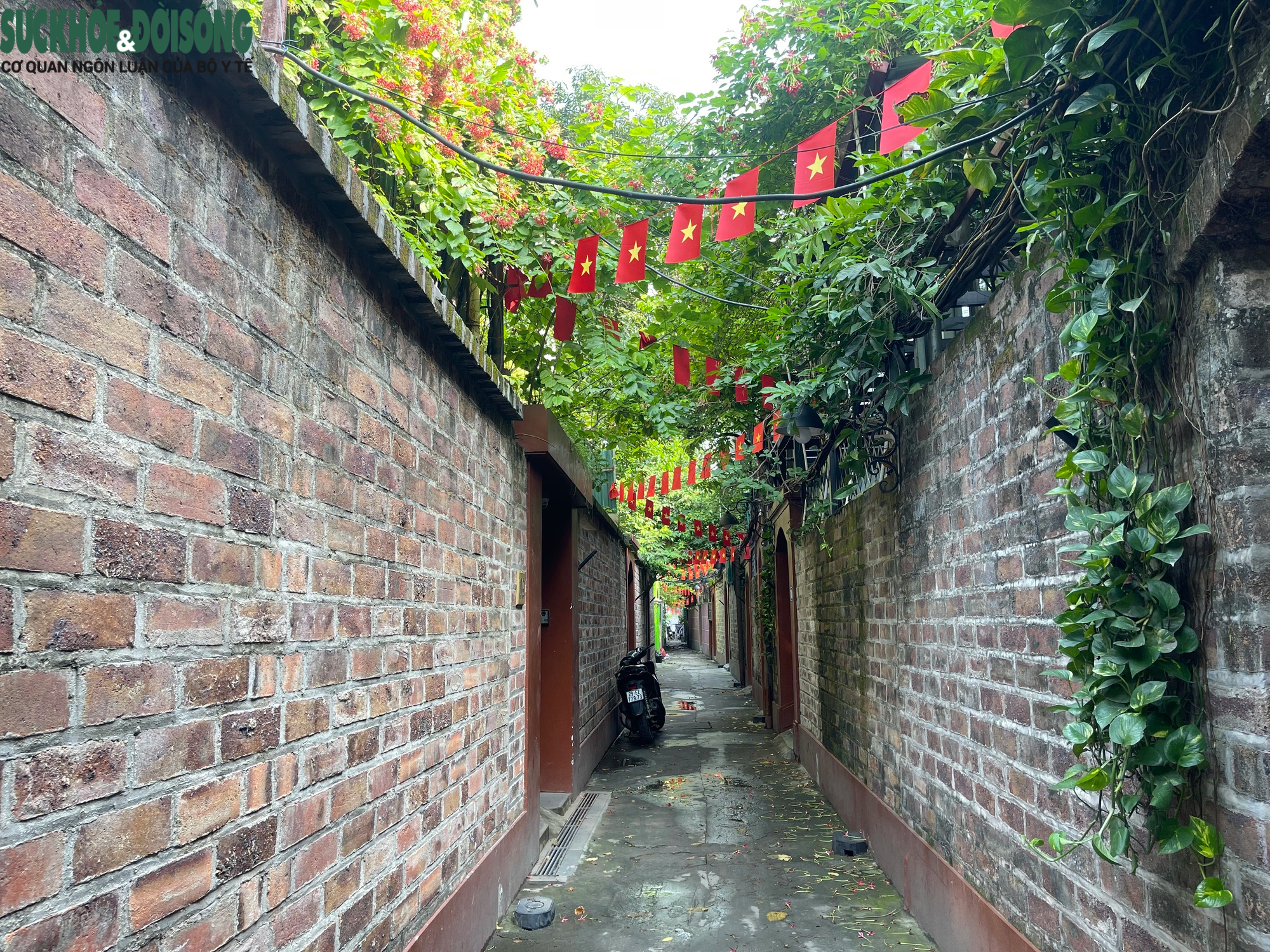
While some major streets are under renovation, the quieter side of Hanoi remains beautifully intact. The city’s maze-like alleys still hide countless cafés, small eateries, and charming local corners waiting to be discovered. Exploring these narrow lanes often leads visitors to unique spots like balcony cafés inside old apartment buildings, where you can watch the rhythm of the city from above while enjoying a slow cup of Vietnamese coffee.
When passing through construction areas, simply pay a bit more attention to signage and pedestrian paths. Carrying a light mask and sunglasses is also a practical idea, as roadwork can sometimes create dust during the day. Many visitors even turn this into part of their street style while exploring the city.
Interestingly, some travelers and international street photographers see the construction itself as part of the city’s story. The contrast between workers in bright safety gear, metal barriers lining the streets, and the colorful everyday life of locals creates a striking visual narrative. For those with a camera, it captures a rare moment: a historic city actively reshaping itself for the future.
Why Now Is Still a Great Time to Visit Hanoi
Even amid the ongoing Hanoi construction boom, the city’s timeless charm remains remarkably unchanged. Infrastructure upgrades may reshape certain streets, but the soul of the capital still lives in its everyday rhythms. Travelers can still wander through the maze-like lanes of Hanoi Old Quarter, watch the sunset reflecting on the water at Hoan Kiem Lake, or sit down for a slow cup of Vietnamese coffee at a lakeside café or a quiet corner tucked inside a narrow alley. The ongoing construction does not erase the cultural experiences that make visiting Hanoi so memorable. Instead, the familiar scenes of scooters, street vendors, and ancient houses continue to define the atmosphere travelers come to discover.
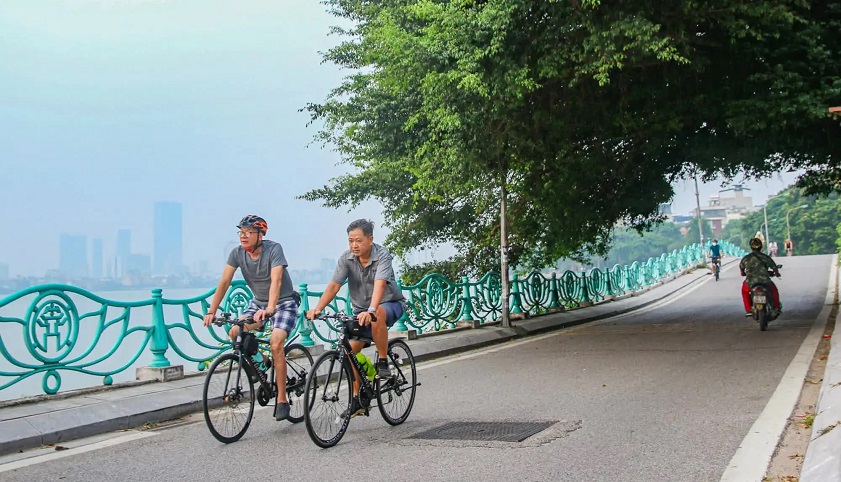
Beyond its historic charm, the city remains vibrant and full of experiences waiting to be explored. Hanoi’s legendary street food culture still thrives on nearly every corner, from sizzling sidewalk grills to small family-run eateries hidden in old neighborhoods. The capital is also home to an ever-growing café scene, where creative spaces blend tradition with modern design. Art galleries, museums, and cultural performances continue to celebrate Vietnam’s heritage, while the lively energy of the Old Quarter keeps the streets buzzing from morning until late evening. Just a short ride away, West Lake offers a completely different atmosphere, where visitors can cycle along the lakeside, enjoy panoramic views, and relax in a quieter part of the city.
For many travelers, visiting Hanoi at this moment also offers something special: the chance to witness a city in the midst of transformation. Rather than simply exploring a historic destination, visitors can observe how an ancient capital adapts and evolves for the future. The current construction wave is part of a broader effort to modernize infrastructure and improve urban life, meaning that those who visit today are seeing Hanoi at a fascinating turning point in its story.
Hanoi’s current construction boom may temporarily change the way the city looks, but it is ultimately part of a much larger story of transformation. Beneath the construction fences and roadworks lies a long-term effort to build a cleaner, greener, and more resilient capital. For travelers visiting Hanoi today, the experience still offers everything that makes the city unforgettable: vibrant street life, incredible food, rich culture, and historic charm. In fact, this moment provides a unique opportunity to witness Hanoi not only as a timeless destination, but also as a city actively shaping a better future for residents and visitors alike.
Read this next


Travel Green for Earthday 2025


Quick Contact
Reviews from Customers
Please take a look at the following reviews from our customers

Mr Clarence- Travel President, Philippines
Vietnam | 01/14/2026
Luxury Golf Tour in Da Nang, 5days
Hi Jimy, We returned home safely today. I would like to say a special thanks to you and your team ACT TRAVEL. We really loved and satisfied with your pro services. We do love these golf courses in Da Nang. They were amazing and fantastic quality and view. We will come back here soon. I am looking foward to working together with you soon! Best regards, Mr Clarence- Travel President, Philippines
Mr. Jean Pie
United Kingdom | 10/13/2014
RAM Holidays from UK (Impressive of Vietnam 15 days)
Mr. Jean Pie – Tour Leader said “Thank you very much for doing such an excellent job on the tour. You went above and beyond for all of us and we really appreciate all your hard work. Thank you for your calm leadership through the “HAIYAN” storm, you really help us through it. Thanks to ACT Travel, we had a wonderful time and unforgettable memory”.
Mr. Navy Vang
Australia | 10/13/2014
Mandarin Group from Australia (Charming Vietnam 10 Days)
Mr. Navy Vang - Tour manager from Australia said: " Wow what a great vacation !. Thank you Mr Kelvin Pham so much. We are very grateful for everything you did for us and everything went very well. We’re safe and sound back home thinking about the joy we experienced. I've already decided that when I choose to travel again, I will go through your company. I also highly recommend ACT Travel Travel to any organization looking for a great agency. Kind regards
Mr. Ricardo - Program Manager
Brazil | 03/31/2014
DOMINGOS Group from Brazin (IMPRESSIVE VIETNAM 17 DAYS.)
Mr. Ricardo - Program Manager said “Dear Kelvin, Thanks you very much for your well arrangement. Thank you for the updated weather information. I have traveled a lot as a geography professor and dealt with many tour operators. You are one of the best tour operators who can take so much concern and care about customers. I must congratulate you on your good organization and care to minute points. Thanks for the mobile phone you provided to us and SIM cards you provide to all of us (29 cards, I know they are not cheap), it was an excellent convenience for us. It was a brilliant idea and we really appreciated knowing there was someone we could contact at any time should we need to. We love your welcome dinner at Binh Quoi village, where we enjoyed rich traditional southern Vietnamese cuisine with musical accompaniment provided by local folk musicians. We were very interested in the traditional Vietnamese wedding in Binh Quoi and we never forget the “Gong show” in Buon Me Thuot. Once again, thank you very much for great job”.
Ms. Barbara Betts
Australia | 10/13/2014
Orbiz Group from Australia (Discover Vietnam and Cambodia 15 Days)
Ms. Barbara Betts - Escorted guide from Australia said: " Dear Kelvin I want to take this opportunity to thanks you for providing us with superb guides in Vietnam and Cambodia. Well, Manh - tour guide in Vietnam is very professional and knowledegable and you can feel very safe in allowing him to guide your tours. The drivers you provided were also friendly, capable and they too did everything for the group to be happy Thanks you Kelvin so far for a fabulous tour.
Mr. Dany
Malaysia | 10/13/2014
Teachers Group From Malaysia ( Hanoi – Halong bay – Ninh Binh 6 Days )
Mr. Dany - Escorted guide from Malaysia said: " Hi Kelvin Pham, Thanks for arranging a great trip. I wanted to let you know how pleased we were with the itinerary and all the arrangements you organized. Everything worked extremely well and went exactly as planned. The guides were very knowledgable. My favorite site was cruising on the Halong bay. The hotels were great as they were located at the heart of city. We did enjoy eating at the local restaurants as arranged by ACT. The foods were sometimes unusual, but still tasty. I loved “Pho Hanoi“ very much and I would try to cook at my home… Thanks again
Mr. Ohad
Turkey | 10/13/2014
Istmaz Group from Turkey (Saigon - Mekong Delta - Cambodia - Angkor Wat 12 Days).
Mr. Ohad - The Tour Leader said: " On behalf of the entire group, I just wanted to thank both of you for all your help and outstanding execution in making our trip memorable! The entire group could not say enough great things about how well organized & smooth everything went. I really enjoyed Vietnam & Travel. Both tour guides were terrific and Angkor Wat was just amazing! All your arrangements worked out very smoothly and I consider the pilgrimage to be a great success ".
Mr. Steven
United Kingdom | 10/13/2014
Ponila Group from UK (Higlight of Vietnam 16 Days).
Mr. Steven - Escorted guide from UK said: Our trip to Vietnam was overall a positive one. We were very happy with the level of accommodation and quality of the food at all times. We love Hanoi but Ha Long Bay is certainly one of the most beautiful places we have ever seen; the old city in Hoi An has great potential becoming a world-class tourist attraction; and citadel in Hue embodies a great deal of historic signifance, we have a lot of photos in Hue. Cruising on Mekong Delta river was so interesting and Dalat highland was very romantic. Finally, please give our thanks to the tour guides Mrs Phuong, Mr Ky and the drivers who accompanied us throughout, always accommodating to the group's requests and last minute changes in itinerary. We won't forget you!
Mr. Barrick
United States | 10/13/2014
Global Alliane Group From USA (Discover Vietnam – Cambodia 10 Days)
Mr. Barrick - the Tour Leader said: " Dear ACT Team,This is to thank you, and all of those who organised and guided our visit to Vietnam & Cambodia, for a superb holiday. We had a trip of a life time. Everything we were promised happened and more. We brought back so many memories and stories. The restaurants were wonderful and the hotels were great. Mr Nguyen had such a lot of knowledge he shared with us, and had a great sense of humor. He even knew of some Cambodian slang words. The whole trip will be something we will always remember and share with our family and friends. Thanks for all your help in making it so enjoyable. We shall tell all our friends traveling to Indochina that they must use ACT Travel's services !! ".
Partner





ACT VIETNAM TRAVEL
No 3, Alley 25, Dich Vong Hau Str, Cau Giay Dist, Hanoi Capital, Vietnam
sales@vietnamtraveland.com - jimy@vietnamtraveland.com - vip@vietnamtraveland.com
License: 01-639/2015/CDLQGVN-GPLHQT
Company
Term of use
Payment Methods


